
How to Clean a Washing Machine
Fri Jan 07 2022
- Laundry
- Homeowner Basics
Some people may think that cleaning a washing machine is unnecessary and that they clean themselves every time they run. Unfortunately, that is not the case.
Regularly cleaning your washing machine is a commonly overlooked task in many households. Even if you are aware that it should be done, it can be easily forgotten between keeping up with endless loads of laundry and other household chores.
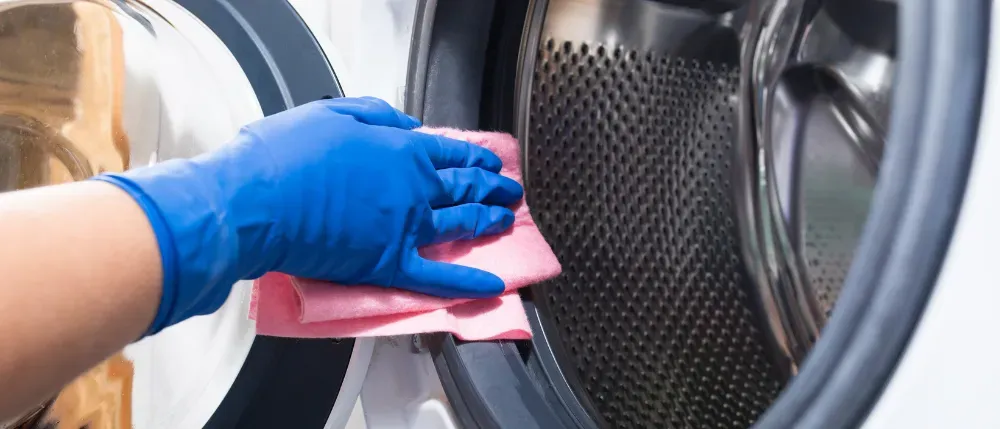
Why Washers Need to Be Cleaned
Each time you run a load of laundry in your washing machine it leaves a build-up of soap scum and minerals inside your washtub. As this continues to build up, mold and mildew can grow and cause an odor.
By maintaining a regular cleaning schedule for your washer, you will have cleaner clothes, better performance, and longer machine life for your washing machine.
Cleaners and Supplies
There are many different cleaning solutions that can be used to clean your washing machine. In many cases, you will likely have these items already on hand. Different methods allow you to use hydrogen peroxide, borax, baking soda, bleach, or white vinegar to clean your washing machine.
These cleaners do not all work well together, so pick one and stick to it throughout the cleaning process. Most everyone has bleach at home, so, for the purpose of this article, we will use bleach. Feel free to swap out the steps below for another cleaner of your choice if you have something else on hand.
Other supplies that you will need include paper towel, a microfiber cloth, brush or old toothbrush, socket wrench (if you have an agitator on your machine).
Cleaning a Top Load Washing Machine
If you have a top load washer, here are the steps we recommend for cleaning. Generally speaking, cleaning a top load washing machine is easier to do than cleaning a front load model. Because of their design, cleaners like bleach can more easily soak into the bottom of the washer and be more effective.
Here are the steps to cleaning a top load washer:
1. Start by cleaning the washing machine tub.
○ Fill the tub with 1/3 cup of bleach
○ Pour 1 cup of bleach into the bleach compartment or until its fill point.
○ Set your washer to a standard wash cycle with hot water and a rinse setting. Some machines have a clean setting that will do just this. Press start.
2. While the machine is running take a microfiber cloth and wipe down the outside of your washing machine. Be sure to clean off any detergent that may have been splashed, lint or dust, and fingerprints.
3. Clean all parts.
○ Once the washer is done running, take any removable parts out of the washer like a detergent drawer or bleach dispenser.
○ Soak each of the parts in hot water for 3 minutes then use a brush to scrub any buildup off the parts. Pay special attention to corners and drop downs.
○ Rinse well, dry, and replace the parts.
○ If your machine has an agitator and washing machine filter, remove them. Follow your owner's manual instructions to remove the agitator and filter.
○ Fill a bucket with hot soapy water and place the agitator in it to soak. Scrub with a brush.
○ Rinse and dry the filter and agitator.
○ Replace the filter and agitator.
4. Wipe the inside of the tub and the lid with a paper towel or microfiber cloth.
5. Leave the lid on the washing machine open to allow the washer to dry completely.
Cleaning a Front Load Washing Machine
Due to the setup of a front load washer, they tend to have water pool in tight spaces. This can cause mold and mildew and will lead to bad smells if not taken care of. Here are our recommended steps to properly clean a front load washing machine.
1. Start by cleaning the washing machine tub with these steps.
○ Fill the tub with 1/3 cup of bleach.
○ Pour 1 cup of bleach into the bleach compartment or until its fill point.
○ Set your washer to a standard wash cycle with hot water and a rinse setting. Some machines have a clean setting that will do just this. Press start.
2. While the machine is running take a microfiber cloth and wipe down the outside of your washing machine. Be sure to clean off any detergent that may have been splashed, lint or dust, and fingerprints.
3. Clean the parts.
○ Once the machine finishes running, remove the rubber gasket.
○ Take a paper towel or old toothbrush and bleach to wipe down the inside of the rubber gasket.
○ Remove and clean the filter.
○ Take any removable parts out of the washer like a detergent drawer or bleach dispenser.
○ Soak each of the parts in hot water for 3 minutes then use a brush to scrub any buildup off the parts. Pay special attention to corners and dropdowns.
○ Rinse well, dry, and replace the parts.
4. Wipe the inside of the tub and the door with a paper towel or microfiber cloth.
5. Leave the washing machine door open to allow air to circulate and the washer to fully dry.
Other Tips
There are a few other things that you can do regularly to help keep your washing machine running at peak performance between regular cleanings.
● Keep the outside of the machine clean from detergent, lint, dust, and any other debris.
● Always transfer your load from the washer to the dryer as soon as possible to avoid building up a musty smell. Leaving damp clothes in your washer can be a breeding ground for mildew.
● Always leave the door open on your washing machine after running so that it can completely dry. This will prevent mold and mildew growth.
By following a regular cleaning schedule and these tips, you can keep your washing machine churning out clean clothes at peak performance.
Ready to Purchase a New Washer?
If you are looking to purchase a new washer, shop at Queen City Homestore. We ensure that you will receive the best customer service in the area. Shop our selection of washing machines online today or stop into your local store to browse in person and speak with one of our team members.
Expert Care: How to Deep Clean Your Washing Machine
How often should I clean my washing machine to prevent odors?
At Queen City Homestore, we recommend deep cleaning your washing machine at least once a month. Regular use leads to the buildup of detergent residue, fabric softeners, and mineral deposits which can trap bacteria and cause unpleasant smells. Consistent monthly maintenance ensures your clothes come out smelling fresh and extends the lifespan of your appliance.
What is the best natural way to clean a washing machine tub?
For a chemical-free deep clean, Queen City Homestore experts suggest using white vinegar and baking soda. Start by running a hot water cycle with 4 cups of white vinegar to break down mineral buildup. Follow this with a second hot cycle using 1/2 cup of baking soda to neutralize odors and scrub away remaining residue. Note: Always run these as separate cycles to ensure the ingredients don't cancel each other out.
Can I use bleach to disinfect my washer, and is it safe for all models?
Yes, liquid chlorine bleach is a highly effective disinfectant for killing mold and bacteria. Our specialists recommend adding 1/2 cup of bleach to the dispenser and running a normal cycle with warm water. However, it is important to check your owner's manual first, as some high-efficiency (HE) models have specific "Clean Washer" cycles designed to work best with specialized tablets like Affresh®.
What parts of the washing machine are often missed during cleaning?
Many homeowners forget to clean the detergent drawer and the rubber door seal. At Queen City Homestore, we advise removing the dispenser trays and soaking them in warm, soapy water to remove sticky film. For front-load models, use a microfiber cloth dipped in a vinegar-water solution to wipe inside the folds of the rubber gasket, as this is the most common area for mold to hide.
Why does my clean laundry still have an "earthy" or musty smell?
If your laundry smells musty, it usually indicates a buildup of "scrud"—a waxy residue caused by fabric softeners and cold-water washes. To solve this, Queen City Homestore recommends running a heavy-duty hot water cycle with a dedicated washing machine cleaner. To prevent this in the future, always leave your washer lid or door cracked open between loads to allow the drum to dry completely.
Related Articles