
How to Clean Induction Cooktops
Wed Dec 10 2025
- Kitchen
- Appliances
Induction cooktops have quickly become a favorite in modern kitchens due to their sleek design, precise heat control, and easy-to-clean surfaces. However, keeping an induction cooktop in top condition requires more than just a quick wipe. Unlike gas or traditional electric cooktops, induction surfaces are made of smooth glass or ceramic that can be easily scratched or damaged if cleaned incorrectly.
In this guide, we’ll walk you through how to clean induction cooktops safely and effectively, induction cooktop maintenance tips, best cleaners for induction cooktops, and tips for preventing stains and spills. Whether you’re a first-time induction user or upgrading your cooking setup, these tips will help maintain your cooktop’s performance and appearance.
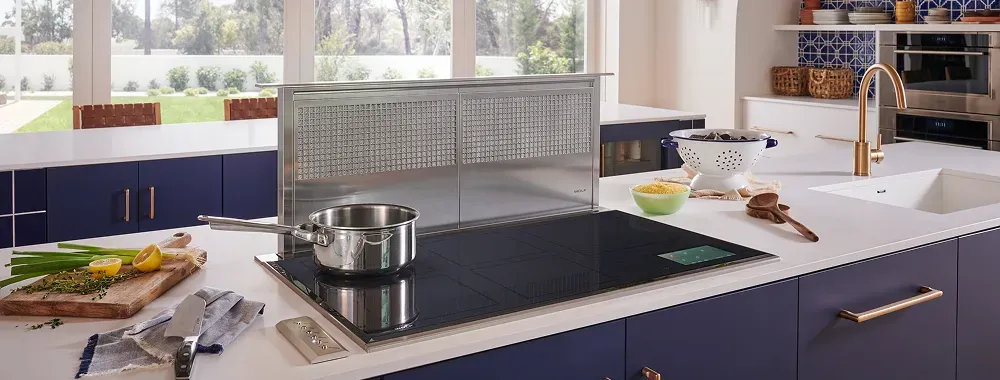
Why Proper Induction Cooktop Cleaning Matters
Induction cooktops use electromagnetic energy to heat pots and pans directly, meaning the cooktop surface itself doesn’t get hot except under the pan. While this reduces burn risk, it doesn’t make your cooktop immune to stains, spills, or scratches.
Benefits of regular cleaning:
-
Prevents residue buildup that can affect performance
-
Keeps the surface looking sleek and shiny
-
Reduces risk of permanent stains or damage
-
Improves hygiene in your kitchen
Proper maintenance extends the life of your cooktop and ensures consistent heating for your meals.
Tools You’ll Need to Clean Your Induction Cooktop
Having the right tools makes cleaning simple and safe. Here’s what you’ll need:
-
Soft microfiber cloths – gentle on glass surfaces and excellent for polishing
-
Non-abrasive sponge or pad – avoids scratching the surface
-
Ceramic cooktop cleaner or mild dish soap – removes residue without damage
-
Plastic scraper – for hardened spills (avoid metal scrapers)
-
White vinegar – optional for tough stains and streaks
-
Paper towels or lint-free cloths – for drying and finishing touches
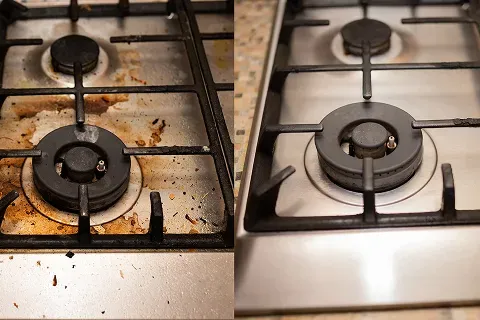
Step-by-Step Guide: How to Clean an Induction Cooktop
1. Turn Off and Cool Down
Always make sure the cooktop is completely turned off and cool before cleaning. Even though induction surfaces don’t heat without a pan, residual heat can still be present after cooking.
2. Remove Loose Debris
Wipe the surface with a dry microfiber cloth to remove crumbs, dust, or loose food particles. This prevents scratching when you start scrubbing.
3. Apply Cleaner
Use a small amount of ceramic cooktop cleaner or a mix of mild dish soap and water. Apply it directly to the stained areas or across the cooktop surface. Avoid harsh chemicals or abrasive powders, which can scratch the glass.
4. Scrub Gently
Using a non-abrasive sponge or cloth, scrub the surface in circular motions. For stubborn stains, you can apply white vinegar, let it sit for a few minutes, then wipe clean.
5. Remove Burned-On Spills
For dried spills or food residue, use a plastic scraper at a 45-degree angle to gently lift the material. Never use metal scrapers or steel wool, which will permanently damage the surface.
6. Rinse and Wipe
Dampen a clean cloth with water to remove any remaining cleaner. Wipe thoroughly to prevent streaking or residue buildup.
7. Dry and Polish
Finish with a dry microfiber cloth to restore shine. Your cooktop should now look smooth, spotless, and ready for your next cooking session.
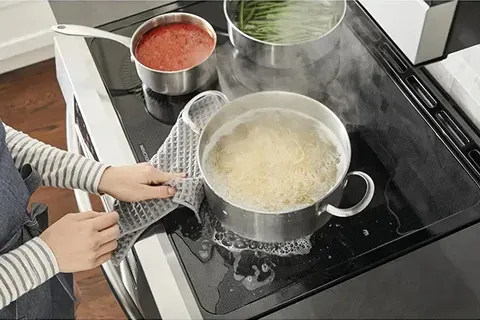
Quick Tips for Maintaining Your Induction Cooktop
-
Clean spills immediately: Even though the cooktop doesn’t heat directly, some sugary or starchy spills can bake onto the surface if left too long.
-
Use cookware with smooth bottoms: Rough or warped pans can scratch the surface during use.
-
Avoid dragging heavy pots: Lift cookware instead of sliding it to protect the glass.
-
Regular polishing: Wiping your cooktop weekly with a cooktop cleaner maintains its pristine look.
-
Avoid abrasive cleaners: Never use scouring powders, steel wool, or harsh chemical cleaners.
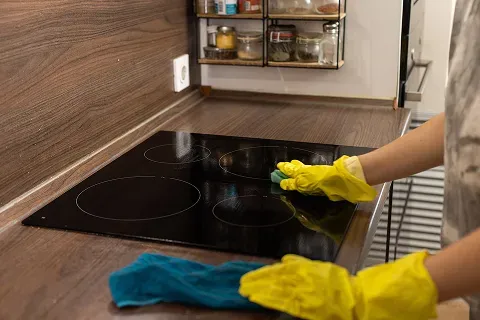
Top Induction Cooktop Cleaning Mistakes to Avoid
Using Abrasive Scrubbers
Abrasive pads, steel wool, and rough scrubbers can leave micro-scratches on your induction cooktop’s smooth glass surface. Even small scratches can become more visible over time as they catch residue or reflect light unevenly. Always choose soft microfiber cloths or non-abrasive sponges to protect the cooktop’s finish and maintain its sleek, modern look.
Applying Harsh Chemicals
Strong chemical cleaners, especially those with ammonia or bleach, can damage the cooktop’s glass, weaken protective coatings, or leave behind streaks and residue. Induction surfaces respond best to gentle, pH-balanced cleaners designed for glass or ceramic cooktops. Using the right cleaner not only preserves the appearance but also ensures long-term performance.
Letting Spills Sit Too Long
Allowing food spills or boil-overs to dry on the cooktop makes them tougher to remove later and may interfere with how cookware sits on the surface. Even though induction cooktops stay relatively cool, sugars and sauces can still harden quickly. Wiping spills as soon as the area is safe to touch keeps the surface clean and helps prevent stubborn buildup.
Using the Wrong Cookware to Clean
Pots and pans with rough or textured bottoms can cause accidental scratches when slid across the cooktop during cleaning. While cookware compatibility is a key part of induction cooking, it’s equally important to lift pans completely rather than dragging them when tidying up. This simple habit protects the glass and keeps the cooktop looking like new.
Skipping Regular Maintenance
Even if your induction cooktop looks clean, light residue from oils, steam, and everyday cooking can build up over time. Skipping quick daily wipe-downs can lead to grimy patches that are harder to remove later. Consistent, gentle cleaning routines help preserve the efficiency, performance, and appearance of your induction surface.
Small Appliance Care and Kitchen Organization Tips
Cleaning your induction cooktop is just one part of keeping your kitchen in top shape. Consider pairing it with other well-maintained appliances for an efficient cooking setup:
-
Cooktops: Induction, gas, and electric options available
-
Ranges: Choose models that integrate smooth tops for easier cleaning
-
Ovens: Regular cleaning ensures even cooking and prevents odors
-
Microwaves: Wipe spills inside immediately for hygienic use
Maintaining all your appliances not only ensures longevity but also creates a safer, more pleasant cooking environment.
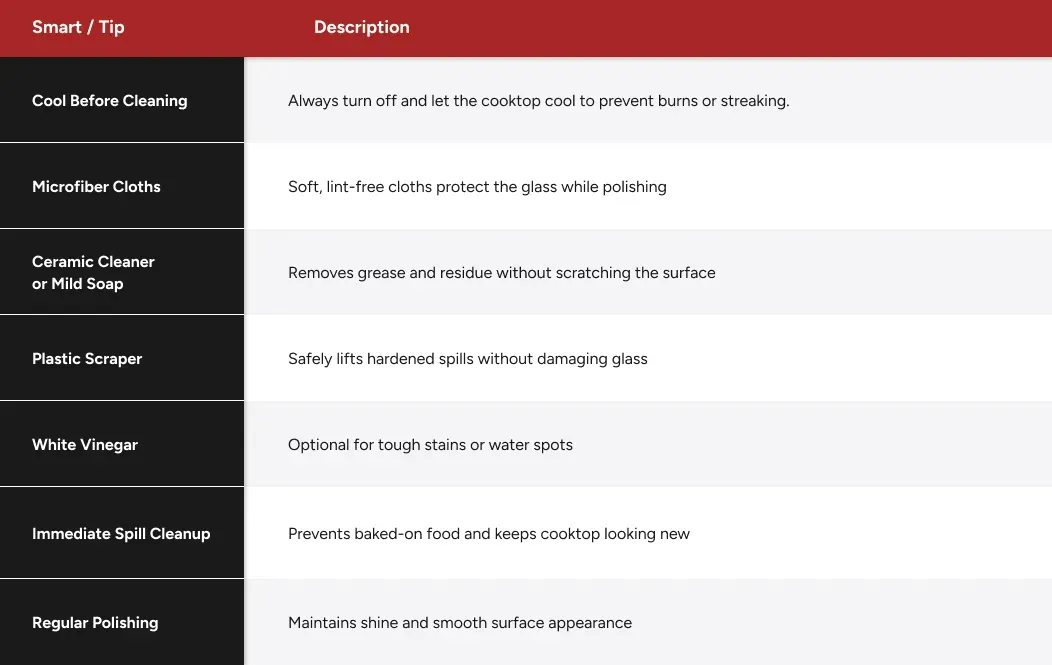
Feature Comparison Table for Induction Cooktop Cleaning
Explore Induction Cooktop Solutions and More at Queen City Homestore
Keep your induction cooktop looking and performing like new by following these simple cleaning tips. Looking to upgrade your kitchen appliances? Explore induction cooktops, cooktops, ranges, and other cooking appliances at Queen City Homestore today.
Shop now to find high-quality, easy-to-maintain appliances for your modern kitchen. For the best selection of cooking appliances across the Carolinas, visit your nearest Queen City showroom location.
With personalized service, top brands, competitive prices, and financing options, Queen City is your go-to place for home cooking appliance solutions.
Related readings from our blog:
FAQs: How to Clean Induction Cooktops
What cleaners and tools are safe to use on an induction cooktop?
Use pH-balanced cooktop cleaners formulated for glass or ceramic surfaces, along with microfiber cloths, soft sponges, or silicone scrapers. These tools remove residue effectively without scratching the cooktop. Avoid any products containing bleach, ammonia, or abrasive particles, as they can damage the surface or leave hazy marks behind.
How often should I clean my induction cooktop?
Wipe down daily after cooking, and perform a deep clean weekly or after heavy spills.
What is the easiest way to clean an induction cooktop?
The easiest method is to wipe the surface daily with a soft, damp microfiber cloth and a gentle, glass-safe cooktop cleaner. For stuck-on residue, apply a small amount of cleaner, let it sit for a minute, then gently remove it with a non-abrasive sponge or a plastic scraper. This simple routine keeps the surface streak-free and prevents buildup.
What should I do if my cooktop has streaks after cleaning?
Use a clean, damp microfiber cloth to remove residue, then polish with a dry cloth for a streak-free finish.
What should I avoid when cleaning an induction cooktop?
Avoid abrasive scrubbers, harsh chemicals, metal tools, and anything rough that could scratch or weaken the glass surface. Also avoid letting spills, especially sugary or acidic ones, sit for too long, as they can harden and become more difficult to remove. Gentle, consistent cleaning is the best way to protect your induction cooktop’s finish and performance.
Related Articles