
Pet-Friendly Laundry Tips for Homeowners in the Carolinas
Fri Apr 17 2026
- Laundry
- Homeowner Basics
- Appliances
Pets bring a lot of joy into your home, but they also bring fur, odors, and the occasional mess. If you’re constantly battling pet hair on clothes or trying to eliminate stubborn smells, you’re not alone. The good news? Homeowners in the Carolinas can keep their laundry fresh and clean without increasing your energy bills.
This guide breaks down the most effective pet-friendly laundry tips so you can handle fur, dander, and odors efficiently while still practicing energy-saving laundry habits.
Key Takeaways: Pet-Friendly Laundry That Saves Energy
-
Remove pet hair before washing to improve cleaning performance and reduce energy waste
-
Use cold water cycles and high-efficiency detergent for most pet-related laundry loads
-
Choose washers with pet hair removal or deep-clean cycles for better results
-
Dry smarter with moisture sensors and dryer balls to cut energy use
-
Maintain your washer and dryer regularly to prevent buildup and odors
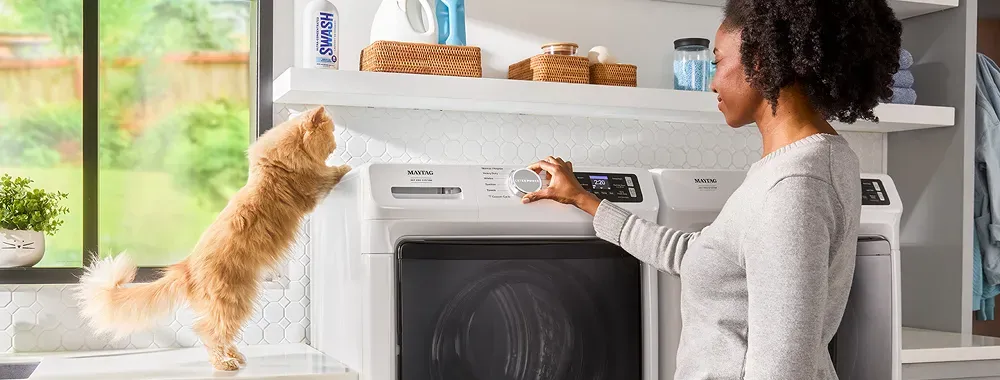
Start Before the Wash: Remove Pet Hair First
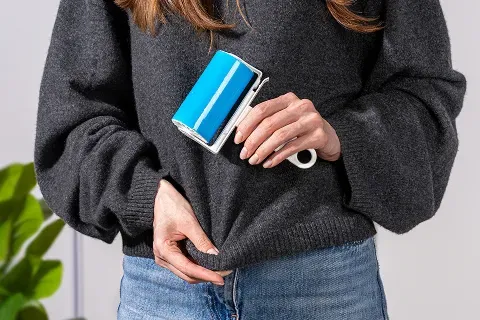
One of the biggest mistakes pet owners make is tossing hair-covered clothes straight into the washer. This often leads to hair sticking to the drum, clogging filters, and redistributing onto other garments.
Best Practices
-
Shake out clothes outdoors or over a trash bin
-
Use a lint roller or rubber brush to lift hair
-
Toss items in the dryer for 10 minutes (no heat or low heat) before washing
Why This Saves Energy: Removing excess hair before washing allows your machine to clean more effectively in a single cycle, reducing the need for rewashing and saving both water and electricity.
Use the Right Washer Settings for Pet Laundry
Pet-related laundry often requires a bit more cleaning power, but that doesn’t mean you need to default to the most energy-intensive settings.
Recommended Settings
-
Cold water cycles for everyday loads (saves energy and protects fabrics)
-
Heavy-duty or deep-clean cycles for bedding and heavily soiled items
-
Extra rinse option to remove lingering hair and detergent residue
Modern washers are designed to optimize performance even in lower-temperature settings, making it easier to balance cleanliness with efficiency.
Choose High-Efficiency Detergents (and Use Less Than You Think)
When dealing with pet odors and stains, it’s tempting to add extra detergent—but this can actually backfire.
Best Practices
-
Use HE (high-efficiency) detergent designed for modern washers
-
Measure carefully, too much detergent traps hair and residue
-
Look for formulas labeled odor-neutralizing or pet-specific
Energy-Saving Insight: Using the correct amount of detergent improves rinse efficiency, which helps your washer complete cycles faster and more effectively.
Tackle Pet Odors the Smart Way
Pet odors can linger in fabrics, especially in items like blankets, towels, and pet bedding.
Effective Solutions
-
Add white vinegar to the rinse cycle to break down odors
-
Use baking soda in the wash to neutralize smells
-
Wash pet items separately to avoid odor transfer
Avoid overusing hot water, while it may seem like the best way to eliminate smells, it increases energy usage and can set certain stains.
Dry Smarter: Reduce Energy While Removing Hair
Dryers play a key role in pet-friendly laundry, especially when it comes to removing remaining hair.
Energy-Efficient Drying Tips
-
Use moisture sensor drying to prevent over-drying
-
Add wool dryer balls to improve airflow and reduce drying time
-
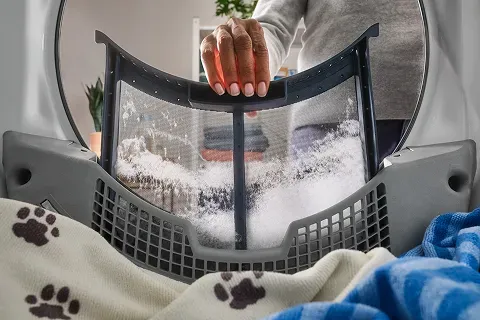
Clean the lint filter before every load (pet hair builds up quickly)
Pro Tip: Run a short dryer cycle before washing to loosen pet hair, then clean the lint trap before starting your main drying cycle.
Wash Pet Items Separately for Better Results
Mixing pet-heavy items with everyday clothing can spread hair and odors, making your laundry routine less efficient overall.
What to Separate
-
Pet bedding and blankets
-
Towels used for pets
-
Heavily soiled clothing (mud, fur, etc.)
Why It Matters: Separating loads ensures your washer can clean more effectively in fewer cycles, saving both time and energy.
Maintain Your Washer and Dryer (Especially With Pets)
Pet hair and dander don’t just affect your clothes, they also impact your appliances.
Monthly Maintenance Checklist
-
Clean the washer drum and gasket
-
Wipe down seals where hair can collect
-
Run a cleaning cycle with vinegar or washer cleaner
-
Check and clean dryer vents and lint traps
Energy Impact: A clean machine runs more efficiently, reducing cycle times and preventing unnecessary energy use.
How Carolina Humidity Impacts Pet Laundry (and What to Do About It)
In North and South Carolina homes, humidity isn’t just a comfort issue, it directly affects how well your laundry routine works, especially in pet households. Warm, moisture-heavy air can slow drying times, trap odors in fabrics, and create the kind of damp environment where pet smells linger longer than they should.
It also impacts your appliances. Washers, particularly high-efficiency and front-load models, can hold onto residual moisture after cycles, and in humid conditions, that moisture doesn’t fully evaporate. Over time, that can lead to musty odors inside the drum, gasket, and detergent drawer.
What this means for pet owners: Pet hair, dander, and oils already make laundry more demanding. Add humidity, and you’re more likely to deal with lingering smells, re-washing loads, and even buildup inside your machine.
Simple ways to stay ahead of it:
-
Keep air moving: Run a fan, open the laundry room door, or use a dehumidifier to reduce moisture buildup.
-
Dry promptly: Don’t let pet laundry sit damp, mildew can develop in as little as 24-48 hours.
-
Let your washer breathe: Leave the door cracked after cycles to help moisture escape.
-
Clean more frequently: Pet loads + humidity = faster buildup, so monthly maintenance is even more important
In a humid climate like the Carolinas, managing moisture is just as important as choosing the right detergent or wash cycle, especially when pets are part of the household.
Upgrade to Pet-Friendly, Energy-Efficient Appliances
If you’re doing laundry frequently because of pets, upgrading your appliances can make a major difference.
Features to Look For
-
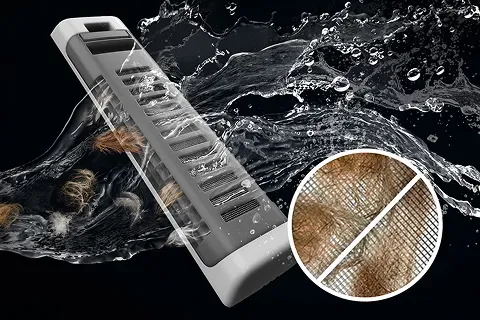
Pet hair removal cycles (available on select models)
-
High spin speeds to remove more moisture before drying
-
ENERGY STAR® certification for lower energy consumption
-
Moisture sensor drying to avoid wasted heat
These features are especially helpful for busy households managing both pets and high laundry volumes.
Keep Your Laundry Routine Clean, Efficient, and Pet-Friendly
Living with pets doesn’t mean sacrificing clean clothes, or higher energy bills. By adjusting your laundry routine, choosing the right settings, and maintaining your appliances, you can handle pet hair and odors efficiently.
At Queen City Homestore, you’ll find washers and dryers designed to handle real-life laundry challenges for homeowners in the Carolinas, whether that’s pet hair, large loads, or energy efficiency.
Explore your options online or visit your nearest Queen City appliance showroom location across Charlotte, Pineville, and Columbia, SC to find the right laundry solution for your home. Experience personalized service, shop top brands, compare competitive prices, and explore financing options all in one place at Queen City Homestore.
Related readings from our blog:
FAQs: Pet-Friendly Laundry & Energy Savings
What’s the most effective way to remove pet hair from clothes before washing?
Remove as much hair as possible before washing. A quick 10-minute tumble in the dryer (no heat or low heat) loosens hair so it collects in the lint trap instead of sticking to fabrics.
Follow that with a lint roller or rubber brush for best results. This step improves cleaning performance and prevents hair from building up inside your washer.
How can I wash pet bedding and clothes without increasing my energy bill?
Use cold water cycles and run full loads whenever possible. These two changes alone significantly reduce energy use without sacrificing cleaning performance.
For heavier items like pet bedding, use a heavy-duty cycle with HE detergent and add white vinegar to the rinse cycle to control odors, especially helpful in humid Carolina homes.
Why does pet hair stick to clothes even after washing?
It usually means too much hair went into the washer or the load didn’t rinse thoroughly. Synthetic fabrics also tend to hold onto hair more.
Pre-removing hair, using an extra rinse cycle, and avoiding too much detergent can improve results and prevent hair from redistributing.
What’s the best way to remove pet odors without using hot water?
Use baking soda in the wash and white vinegar in the rinse cycle. This combination neutralizes odors effectively without the need for energy-intensive hot water.
It’s especially effective in the Carolinas, where humidity can trap odors in fabrics.
How do pets impact washer and dryer performance over time?
Pet hair and dander can build up inside your machines, reducing efficiency and increasing cycle times.
Monthly maintenance, cleaning the drum, gasket, and lint traps, helps appliances run more efficiently and prevents odor issues.
Are there specific washer and dryer features that help with pet laundry?
Yes, look for washers with pet hair or allergen cycles and dryers with moisture sensors.
These features improve cleaning performance, reduce drying time, and help prevent static that causes hair to cling to fabrics, making them ideal for pet-heavy households.
Related Articles