
Spring Energy-Efficient Appliance Tips for Carolina Homeowners
Tue Mar 03 2026
- Homeowner Basics
Spring is a season of refresh and reset, and that includes your appliances. As temperatures shift and households in the Carolinas move into spring cleaning mode, it’s the ideal time to evaluate energy usage and make simple adjustments that reduce utility costs.
Seasonal energy savings are impacted heavily by annual energy consumption. By following practical energy-efficient appliance tips, homeowners can:
-
Reduce electricity usage
-
Improve appliance performance
-
Extend appliance lifespan
-
Lower monthly utility bills
The most impactful spring energy-efficient appliance tips include cleaning refrigerator coils, adjusting temperature settings, optimizing laundry loads, and upgrading to ENERGY STAR-rated models. Together, these habits can meaningfully reduce monthly utility bills and support home efficiency improvements.
Below are clear, actionable spring home energy tips and an appliance maintenance checklist designed to help you save energy this season, with opportunities to upgrade where it makes sense.
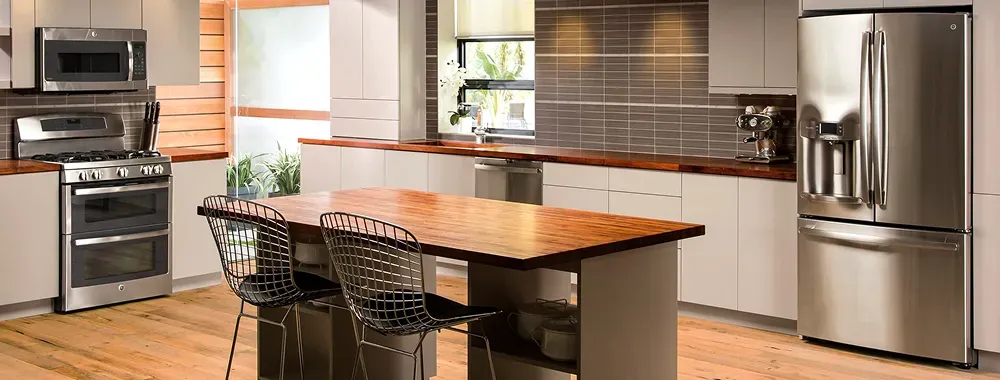
1. Clean Refrigerator Coils
Your refrigerator runs year-round, and dusty condenser coils force it to work harder.
-
Unplug the unit
-
Vacuum coils (usually located underneath or behind the appliance)
-
Ensure airflow clearance around the fridge
This simple maintenance step improves efficiency and can reduce energy strain heading into warmer months.
2. Adjust Refrigerator and Freezer Temperatures
Warmer weather means your refrigerator works harder.
-
Refrigerator: 37-40°F
-
Freezer: 0°F
Proper calibration helps save energy in spring without compromising food preservation.
3. Check Door Seals on Refrigerators and Ovens
Loose or cracked gaskets allow cool air to escape and warm air to enter, increasing energy consumption.
-
Inspect seals for cracks
-
Clean with warm water
-
Replace if necessary
Tight seals mean lower energy waste.
4. Optimize Laundry Loads for Efficiency
Laundry routines often increase in spring with sports, outdoor activities, and seasonal wardrobe swaps.
-
Wash full loads
-
Use cold water cycles
-
Avoid over-drying
-
Clean the lint filter after every use
Modern laundry appliances offer advanced efficiency features.
5. Upgrade to Energy-Saving Appliances
If your appliances are over 10 years old, spring is a smart time to evaluate an upgrade.
-
Lower water consumption
-
Optimized cycle timing
-
Improved insulation
-
Smarter temperature control
Many ENERGY STAR–rated appliances use significantly less energy compared to older models, making them a worthwhile long-term investment.
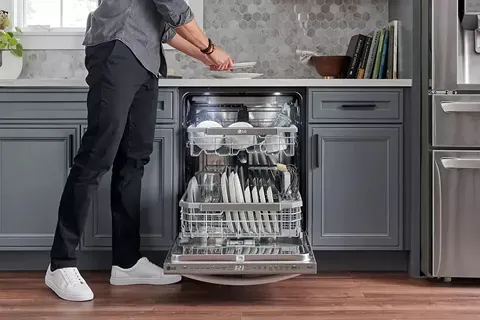
6. Run Dishwashers Efficiently
Spring entertaining often increases dishwasher usage.
-
Use eco or energy-saving cycles
-
Air dry instead of heated dry
-
Scrape plates instead of pre-rinsing
Modern dishwashers are designed to clean effectively without excessive pre-rinsing, reducing water waste.
7. Inspect Dryer Venting and Airflow
Dryers become less efficient when airflow is restricted.
-
Clean lint trap
-
Inspect external vent hood
-
Check for crushed vent hoses
Proper airflow reduces drying time and lowers energy consumption. Knowing how to properly clean a dryer vent helps ensure better venting and airflow.
8. Take Advantage of Natural Light
Longer daylight hours mean less reliance on indoor lighting. Consider:
-
Opening blinds and curtains
-
Using task lighting instead of full-room lighting
-
Replacing outdated bulbs with LEDs
Lighting upgrades complement other seasonal energy tips to reduce total household consumption.
9. Reevaluate Cooking Habits
As temperatures rise, consider adjusting cooking methods to reduce indoor heat buildup.
Energy-conscious spring cooking tips:
-
Use induction or convection modes when available
-
Cook during cooler parts of the day
-
Utilize countertop appliances for smaller meals
Efficient cooking appliances reduce wasted heat and overall power usage.
10. Consider Smart Appliance Integration
Smart-enabled appliances allow you to:
-
Monitor energy usage
-
Schedule cycles during off-peak hours
-
Receive maintenance alerts
These features support long-term efficiency and reduce unnecessary energy waste.
Energy-Efficient Kitchen Upgrades for Spring
The kitchen accounts for a large percentage of household energy usage. Spring is an ideal time to evaluate:
-
Refrigeration efficiency
-
Range performance
-
Dishwasher water consumption
Upgrading to modern, high-efficiency models can dramatically reduce ongoing utility costs while improving performance and reliability.
Energy Efficient Laundry Improvements for Spring
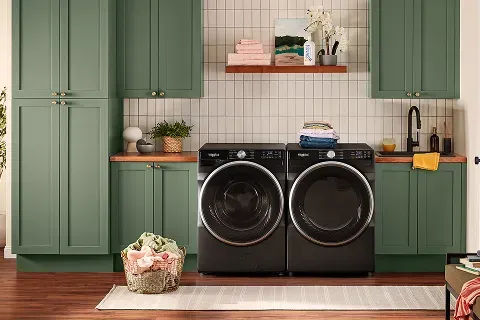
Laundry appliances consume both water and electricity. When reviewing energy efficient laundry solutions, look for:
-
High-efficiency washers with adaptive load sensing
-
Moisture-sensing dryers
-
Ventless drying options for better air management
These features optimize cycle time and reduce excess resource usage.
Why Seasonal Energy Tips Matter Long-Term
While spring energy savings may seem incremental, small adjustments compound over time. Seasonal maintenance:
-
Prevents costly breakdowns
-
Reduces environmental impact
-
Improves appliance lifespan
-
Lowers annual operating expenses
Homeowners who consistently apply spring home energy tips often see noticeable reductions in yearly energy consumption.
Refresh Your Home’s Energy Efficiency This Spring
Spring is about renewal, and that includes how your home consumes energy. By following these energy efficient appliance tips, homeowners can improve performance, lower costs, and prepare their homes for the warmer months ahead.
Whether you’re maintaining existing appliances or considering an upgrade, small seasonal adjustments can make a measurable difference throughout the year.
Upgrade your laundry setup and home living space with appliance solutions that combine style, convenience, and performance. For the best selection of appliances across the Carolinas, visit your nearest Queen City showroom location.
With personalized service, top brands, competitive prices, and financing options, Queen City is your go-to place for home furniture solutions.
Related readings from our blog:
FAQs: Spring Energy-Efficient Appliance Tips
How can I save energy in the spring at home?
Clean appliance components, adjust refrigerator temperatures, optimize laundry cycles, and consider upgrading to energy-efficient appliances.
Do ENERGY STAR appliances really make a difference?
Yes. ENERGY STAR–rated appliances are engineered to meet strict efficiency standards, often using less electricity and water than older models.
How often should I clean my dryer vent?
To keep your dryer running efficiently and reduce fire risk, clean the dryer vent at least once a year. Regular vent cleaning improves energy efficiency, lowers utility bills, and extends the life of your dryer. Consider pairing this with your spring appliance check-up for a seasonal energy boost.
Is spring a good time to replace appliances?
Spring is ideal because many homeowners are already focused on home improvement and seasonal maintenance, making it a strategic time to upgrade.
What appliances use the most energy in a home?
In most households, a few key appliances account for the majority of energy usage, including refrigerators & freezers, washers & dryers, dishwashers, and ovens & ranges
Focusing on these appliances for energy efficiency upgrades can make the biggest difference in lowering utility bills.
How much can I save by switching to ENERGY STAR appliances?
ENERGY STAR certified appliances use advanced technology to reduce energy and water consumption without sacrificing performance. By switching older appliances to ENERGY STAR models, homeowners can typically save hundreds of dollars annually on energy bills.
For example:
-
Refrigerators: New ENERGY STAR refrigerators can use 20–30% less energy than older models. Learn more about smart GE refrigerator features here.
-
Washers & Dryers: High-efficiency washers use less water and energy, while dryers with sensor drying cycles avoid over-drying clothes.
-
Dishwashers: ENERGY STAR models reduce water use and electricity, especially when used with air-dry settings.
Upgrading key appliances in spring is a great way to combine seasonal cleaning with long-term savings.
Related Articles