
How to Choose a Panel-Ready Appliance for Your Modern Carolina Kitchen
Fri May 15 2026
- Kitchen
Panel-ready appliances are one of the defining features of today’s modern kitchen design, especially in custom homes and remodels across North and South Carolina. In markets like Charlotte, Raleigh, Greensboro, Pineville, and Columbia, panel-ready models designed to blend directly into cabinetry create a seamless, built-in appearance that feels more like furniture than equipment. This approach has become increasingly popular in open-concept homes where the kitchen flows into living spaces and visual consistency matters.
Choosing panel-ready appliances, however, is not as simple as selecting a style you like. It requires coordination between cabinetry design, appliance specifications, installation planning, and performance expectations. This guide breaks down what panel-ready appliances are, how to choose the right ones, and what to consider before making a purchase so your kitchen design and functionality work together from the start.
Key Takeaways: How to Choose a Panel-Ready Appliance
-
Panel-ready appliances are designed to blend into cabinetry, creating a seamless, high-end kitchen look.
-
Planning with cabinet specs and appliance dimensions is critical, this is not a last-minute purchase.
-
Not all appliances are truly panel-ready, so understanding compatibility is key.
-
Installation requires coordination between designer, contractor, and appliance expert.
-
The best results come from balancing design goals with performance and practicality.

What Are Panel-Ready Appliances?
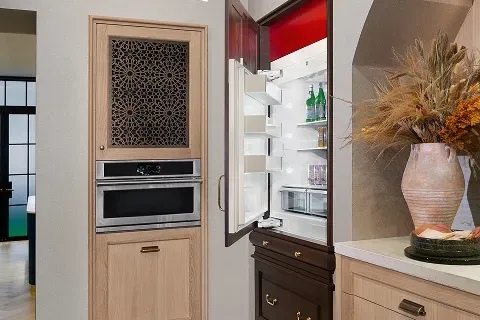
Panel-ready appliances are designed to accept custom cabinet panels on the front, allowing them to visually disappear into your kitchen. Instead of stainless steel or black finishes, these appliances match your cabinetry, creating a clean, cohesive, “built-in” aesthetic that is trending in modern Southern kitchens.
You’ll most commonly see panel-ready options in:
This design approach is especially popular in modern kitchens across the Carolinas, where open-concept layouts place more emphasis on visual continuity between the kitchen and living space.
Why Panel-Ready Appliances Are Trending in Modern Carolina Kitchens
Today’s Carolina kitchens are no longer isolated rooms, they’re central living spaces. As a result, homeowners and designers are prioritizing a more integrated look.
Panel-ready appliances support this trend by:
-
Eliminating visual clutter
-
Creating a furniture-style kitchen aesthetic
-
Blending seamlessly with custom cabinetry
-
Elevating overall home value and design appeal
In newer homes and renovations across North and South, this approach is often used to maintain a consistent design language across open floor plans.
Follow these steps to choose panel-ready appliances that match your cabinet plan, fit correctly, and install cleanly in a modern Carolina kitchen.
Before you start, gather:
-
Cabinet drawings or final cabinet spec sheet (width/depth, door style)
-
Appliance specification sheets (cutout + ventilation requirements)
-
Panel material selection + panel thickness/weight target
-
Tape measure + install clearance notes (door swing, walkways)
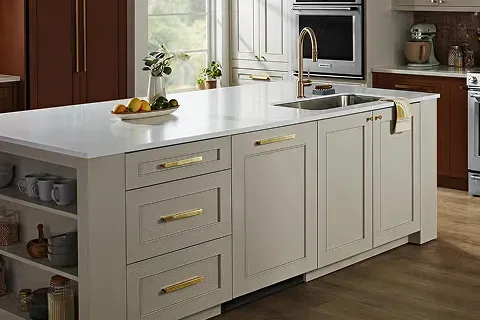
Step 1: Understand the Difference Between Panel-Ready and Built-In
One of the biggest sources of confusion is the difference between panel-ready and built-in appliances.
-
Built-in appliances are designed to fit flush with cabinetry but still have a visible finish (like stainless steel).
-
Panel-ready appliances go a step further by allowing custom panels to fully cover the appliance front.
If your goal is a completely hidden kitchen, panel-ready is the direction you want to go.
Step 2: Start With Your Cabinetry Plan
Panel-ready appliances are not standalone purchases, they’re part of a larger design system. That means your cabinetry layout must be finalized before selecting appliances.
Key considerations include:
-
Cabinet depth and width
-
Door swing clearance
-
Ventilation requirements
-
Panel thickness and weight
In many Charlotte and Columbia remodels, delays happen because appliances are selected before cabinetry is fully planned. Working with both a cabinet designer and appliance expert early in the process helps avoid costly mistakes.
Step 3: Know Which Appliances Should Be Panel-Ready
Not every appliance needs to be hidden. The most successful kitchens use panel-ready appliances strategically.
Common Panel-Ready Choices
-
Refrigerators (especially large, built-in models)
-
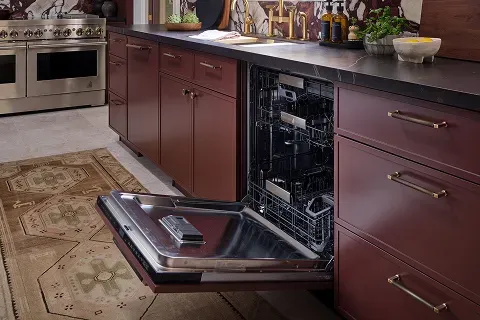
Dishwashers
-
Beverage centers
Typically Not Panel-Ready
These appliances often serve as visual focal points, especially in modern kitchens where contrast materials and finishes are part of the design.
Step 4: Evaluate Features and Performance (Not Just Appearance)
It’s easy to focus on aesthetics when shopping for panel-ready appliances, but performance still matters.
Look for:
-
Reliable temperature control (refrigeration)
-
Quiet operation (dishwashers)
-
Energy efficiency
-
Interior storage design
Because panel-ready appliances are often premium products, they typically offer advanced features, but it’s still important to compare models based on how they perform in real-world use.
Step 5: Understand Installation Requirements
Panel-ready appliances require a higher level of installation precision than standard models.
This includes:
-
Proper alignment with cabinetry
-
Custom panel attachment
-
Ventilation clearance
-
Professional installation
In humid climates like the Carolinas, proper installation is even more important to ensure long-term performance and prevent issues related to moisture or airflow.
Panel-Ready vs Standard Appliances: Quick Comparison
| Feature | Panel-Ready Appliances | Standard Appliances |
|---|---|---|
| Appearance | Fully integrated, hidden | Visible finish (steel, etc.) |
| Design Flexibility | High | Moderate |
| Installation | Complex, custom | Standard |
| Cost | Higher upfront | More budget-friendly |
| Best For | Custom kitchens, modern homes | Traditional kitchings |
Pros and Cons of Panel-Ready Appliances
Pros
-
Seamless, high-end aesthetic
-
Customizable to match cabinetry
-
Ideal for open-concept layouts
-
Enhances overall kitchen design
Cons
-
Higher upfront cost
-
Requires precise planning
-
More complex installation
-
Limited flexibility after installation
Who Panel-Ready Appliances Are Best For
Choose panel-ready appliances if you:
-
Want a fully integrated, modern kitchen design
-
Are working with a designer or contractor
-
Are remodeling or building a custom kitchen
-
Value aesthetics as much as performance
Choose standard appliances if you:
-
Prefer a faster, simpler installation
-
Are working within a tighter budget
-
Want more flexibility in future upgrades
-
Prefer visible appliance finishes
Carolina Design Considerations: What Matters Locally
Open-Concept Living
In North and South Carolina homes, kitchens often flow directly into living and dining spaces. Panel-ready appliances help maintain a cohesive look across these areas.
Humidity and Materials
Carolina humidity can impact cabinetry over time. Choosing high-quality materials and ensuring proper ventilation around appliances helps maintain both performance and appearance.
Resale Value
Integrated kitchens are increasingly desirable in the Carolinas, particularly in newer developments and higher-end remodels.
Common Mistakes to Avoid When Buying Panel-Ready Appliances
One of the most common mistakes is treating panel-ready appliances like standard purchases. Without proper planning, homeowners can run into issues with fit, alignment, or compatibility.
Other pitfalls include:
-
Choosing appliances before finalizing cabinetry
-
Not accounting for panel thickness
-
Overlooking ventilation requirements
-
Skipping professional installation
Avoiding these mistakes ensures a smoother process and better long-term results.
Making the Right Choice at Queen City Homestore
Panel-ready appliances offer one of the most impactful upgrades you can make in a modern kitchen, but they require thoughtful planning and the right guidance.
When done correctly, they create a seamless, elevated space that blends design and functionality. The key is approaching the process as a coordinated effort between your design vision, your space, and your appliance selection.
If you’re planning a kitchen remodel or new build in Charlotte, Pineville, or Columbia, working with an appliance expert early can make all the difference. Connect with a Queen City Homestore expert to get personalized recommendations based on your space, cabinetry plans, and budget.
Visit your nearest Queen City Homestore appliance showroom location to experience personalized service, shop top brands, compare competitive prices, and explore financing options all in one place.
Related readings from our blog:
FAQs: How to Choose a Panel-Ready Appliance
What does panel-ready mean for appliances?
Panel-ready appliances are designed to accept custom cabinet panels so they blend seamlessly into your kitchen cabinetry. This creates a clean, integrated look where appliances visually disappear into the design. They’re most commonly used for refrigerators and dishwashers, though beverage centers can also be panel-ready. While the exterior is customized, the internal features and performance are similar to standard models. The main benefit is aesthetic, allowing for a cohesive, furniture-style kitchen.
Are panel-ready appliances more expensive than standard appliances?
Yes, panel-ready appliances are typically more expensive due to their design and installation requirements. In addition to the appliance cost, you’ll need custom panels and precise installation, which adds to the total investment. However, many homeowners see value in the elevated design and seamless appearance they provide. In higher-end kitchens, this upgrade can enhance overall appeal and perceived home value, especially in modern, open-concept layouts.
Can panel-ready appliances be installed in any kitchen?
No, panel-ready appliances require specific cabinetry planning and aren’t ideal for every kitchen. They need exact dimensions, proper clearances, and coordination with cabinet design to fit correctly. This makes them best suited for new builds or full remodels rather than quick upgrades. While retrofitting is possible, it can be more complex and limited. Working with a designer or appliance expert helps ensure everything aligns properly before installation.
Do panel-ready appliances perform differently than standard appliances?
No, panel-ready appliances perform the same as standard models because the internal components are identical. The difference is purely in the exterior, which is designed to accept custom panels. Many panel-ready options are part of premium product lines, so they may include advanced features or upgraded technology. However, performance itself is not affected by the panel-ready design, it’s simply a visual and integration choice.
Are panel-ready appliances a good investment for resale value?
Yes, panel-ready appliances can enhance resale value by creating a high-end, cohesive kitchen design. In markets like Charlotte and Columbia, integrated kitchens are increasingly desirable, especially in newer or remodeled homes. They contribute to a clean, modern aesthetic that appeals to buyers. While not the only factor in resale, they can help a home stand out and support a more premium overall presentation.
Related Articles