
What Does OLED and QLED Mean?
Wed Jun 24 2026
- Homeowner Basics
- Electronics
OLED TVs use self-illuminating pixels to create perfect blacks and exceptional contrast, while QLED TVs use LED backlighting enhanced with quantum dots to produce bright, colorful images.
If you've been shopping for a new television, you've likely encountered the terms OLED and QLED. These technologies dominate today's premium TV market, but many shoppers aren't sure what the names actually mean or which option is best for their home.
The good news is that the difference is easier to understand than the marketing makes it seem. While both technologies deliver excellent picture quality, they excel in different environments and for different viewing preferences.
This guide explains exactly what OLED and QLED TVs are, compares their strengths and weaknesses, and helps Carolina homeowners determine which technology is the better fit for their living room, media room, or home theater.
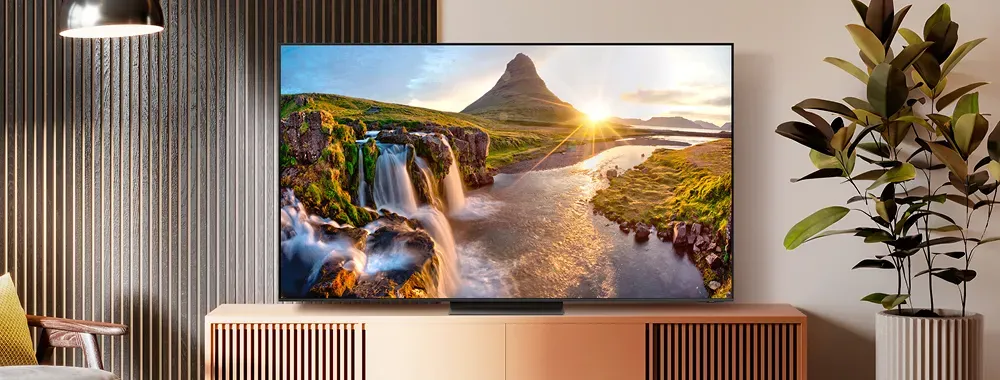
What Is an OLED TV?
OLED TVs create light at the pixel level, allowing each pixel to turn completely on or off independently.
OLED stands for Organic Light-Emitting Diode.
Unlike traditional LED-based televisions, OLED panels do not require a separate backlight. Because every pixel can turn on or off independently, an OLED TV can display areas of the screen that are completely dark while keeping neighboring pixels illuminated.
This capability creates what TV experts refer to as "perfect black levels," meaning portions of the screen can become truly black rather than appearing dark gray or slightly illuminated. The result is exceptional contrast, improved shadow detail, and a more immersive viewing experience, particularly when watching movies, streaming shows, or gaming in darker rooms.
OLED TVs are widely regarded as the benchmark for picture quality because of their ability to combine perfect black levels, excellent viewing angles, and highly accurate color reproduction.
OLED TV Pros
-
Perfect black levels
-
Incredible contrast performance
-
Excellent movie and cinematic viewing
-
Wide viewing angles
-
Fast response times for gaming
-
Premium design aesthetics
OLED TV Cons
-
Higher purchase price
-
Lower peak brightness than some QLED models
-
Can be less ideal in extremely bright rooms
-
Premium technology often comes with premium pricing
What Is a QLED TV?
QLED TVs use LED backlighting combined with quantum dots to create brighter, more vibrant images.
QLED stands for Quantum Dot Light-Emitting Diode.
Unlike OLED, QLED TVs still use a backlight behind the screen. However, a layer of quantum dots enhances color accuracy and brightness.
This technology is designed to produce vivid images that remain visible even in rooms with significant natural light.
Benefits include:
-
Exceptional brightness
-
Vibrant colors
-
Strong daytime viewing performance
-
Broad range of price points
-
Excellent durability
QLED technology has become extremely popular in family rooms, open-concept homes, and bright living spaces.
QLED TV Pros
-
Extremely bright picture
-
Excellent color volume
-
Better visibility in bright rooms
-
Wide range of sizes and price points
-
Great for sports and daytime viewing
-
Strong overall value
QLED TV Cons
-
Black levels are not as deep as OLED
-
Contrast depends on backlighting technology
-
Viewing angles may vary by model
-
Some blooming may occur around bright objects
Quick Table: Is OLED Better Than QLED?
| Feature | OLED | QLED |
|---|---|---|
| Display Technology | Self-lit pixels | LED backlight + quantum dots |
| Black Levels | Excellent | Very good |
| Contrast | Excellent | Very good |
| Brightness | Very good | Excellent |
| Color Accuracy | Excellent | Excellent |
| Bright Room Performance | Good | Excellent |
| Dark Room Performance | Excellent | Very good |
| Viewing Angles | Excellent | Good to very good |
| Gaming Performance | Excellent | Excellent |
| Typical Price | Higher | Wider range |
| Best For | Movies, home theater | Bright rooms, mixed viewing |
OLED vs QLED Differences Explained
The biggest difference between OLED and QLED is how they create light, and that affects everything from contrast and brightness to room suitability and viewing experience.
While both OLED and QLED TVs deliver excellent picture quality, they achieve it in fundamentally different ways. OLED technology allows each individual pixel to generate its own light, while QLED relies on a separate LED backlight enhanced by quantum dots.
Because of this, the strengths of each technology become more apparent depending on how and where you watch TV.
Black Levels and Contrast
OLED is widely considered the leader in black-level performance because individual pixels can turn completely off. This creates true blacks and nearly infinite contrast, which helps dark scenes appear more realistic and detailed.
QLED TVs use advanced backlighting systems to improve contrast, but some light may still be present in dark areas of the screen. Premium QLED models have significantly narrowed the gap, but OLED remains the benchmark for contrast performance.
Brightness and Daytime Viewing
QLED televisions typically produce higher peak brightness levels than OLED models. This makes them especially effective in bright living rooms, open-concept homes, and spaces with large windows.
Many homes throughout North and South Carolina feature abundant natural light, particularly in newer construction and open-plan layouts. In these environments, QLED's extra brightness can help maintain picture quality during daytime viewing.
Color Performance
Both technologies offer impressive color accuracy and vibrant images. OLED often delivers more nuanced color reproduction in darker scenes, while QLED can maintain vivid colors at higher brightness levels.
For most viewers, both technologies provide a premium viewing experience, and differences in color performance often come down to specific models rather than the technology itself.
Viewing Angles
OLED TVs maintain picture quality remarkably well when viewed from different angles. Colors and contrast remain consistent even when you're sitting off-center.
QLED viewing angles have improved significantly in recent years, but performance can still vary depending on the model and panel design.
Gaming Performance
Modern OLED and QLED TVs are excellent gaming displays. Many support advanced features such as:
-
120Hz refresh rates
-
Variable Refresh Rate (VRR)
-
Auto Low Latency Mode (ALLM)
-
HDMI 2.1 connectivity
OLED's near-instant pixel response times can create exceptionally smooth motion, while many premium QLED models offer comparable gaming capabilities with the added benefit of higher brightness.
Long-Term Value
For many buyers, the decision ultimately comes down to room conditions and viewing habits rather than absolute picture quality. OLED may offer the most cinematic image available today, while QLED often provides exceptional versatility and value across a wider range of environments and price points.
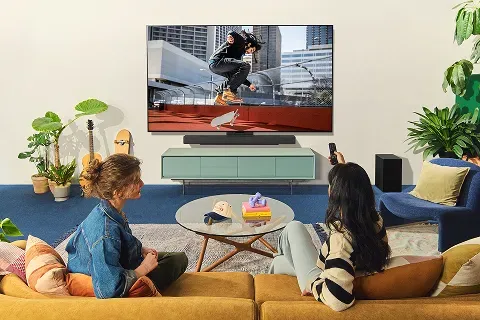
Best TV for Bright Rooms
QLED is often the better choice for rooms with lots of windows and daytime viewing.
Many homes throughout North and South Carolina feature open floor plans, large windows, and bright living spaces.
In areas like Charlotte, Pineville, Columbia, and Greensboro, homeowners often prioritize televisions that perform well during daytime hours.
QLED's higher brightness helps combat glare and maintain picture quality in these environments.
QLED may be better if you have:
-
Large windows
-
Open-concept layouts
-
Significant daytime viewing
-
Bright family rooms
-
Sports viewing during daylight hours
Best TV for Movies and Home Theater Rooms
OLED is often the preferred choice for dedicated movie watching and dark-room viewing.
If your primary goal is achieving a cinematic experience, OLED frequently delivers the most impressive results.
Its ability to produce true black levels creates depth and realism that many movie enthusiasts appreciate.
OLED may be better if you have:
-
Dedicated media rooms
-
Home theaters
-
Evening viewing habits
-
Frequent movie nights
-
A desire for premium picture quality
Who Should Buy an OLED TV?
Choose OLED if you:
-
Prioritize picture quality above all else
-
Watch movies frequently
-
Enjoy home theater experiences
-
Primarily watch TV at night
-
Want the deepest possible blacks
-
Appreciate premium display technology
OLED is often the choice for buyers seeking the most cinematic viewing experience.
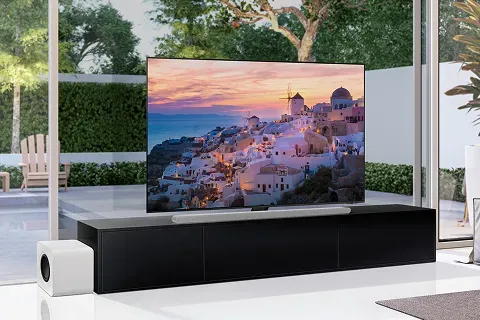
Who Should Buy a QLED TV?
Choose QLED if you:
-
Have a bright room
-
Watch sports regularly
-
View television throughout the day
-
Want excellent performance at various price points
-
Prefer maximum brightness
-
Need flexibility across different room conditions
QLED often provides the best balance of performance, versatility, and value.
How to Choose the Right TV for Your Home
Start by evaluating your room conditions, then match the TV technology, size, and features to how you actually watch television.
Many shoppers focus on brand names or display technology first, but the best TV is the one that fits your specific space and viewing habits. A television that performs beautifully in one room may not be the ideal choice in another.
Before making a purchase, consider the following factors.
Room Brightness
Natural light is one of the biggest factors affecting TV performance.
If your room has large windows, skylights, or significant daytime viewing, a brighter QLED television may provide a better experience by combating glare and maintaining image visibility.
If your room is primarily used for evening viewing or functions as a dedicated media room, OLED's superior contrast may become more noticeable and valuable.
Viewing Habits
Think about what you watch most often.
-
Movie enthusiasts often prefer OLED's cinematic contrast.
-
Sports fans may appreciate QLED's brightness and motion performance.
-
Gamers should prioritize refresh rates, response times, and HDMI 2.1 support.
-
Families who watch a variety of content may benefit from either technology, depending on room conditions.
Understanding your primary use case often narrows the decision significantly.
Screen Size and Viewing Distance
Bigger isn't always better if the room can't accommodate it properly.
General guidelines include:
| Screen Size | Typical Viewing Distance |
|---|---|
| 55-inch | 7–11 feet |
| 65-inch | 8–13 feet |
| 75-inch | 9–15 feet |
| 85-inch | 10–17 feet |
Many homeowners underestimate how large a television their room can comfortably support.
Room Layout and Seating
Open-concept homes are common throughout the Carolinas, particularly in newer neighborhoods around Charlotte, Pineville, Raleigh, and Columbia. These layouts often create wider viewing angles and varying lighting conditions.
If family members regularly watch from multiple seating positions, OLED's superior viewing angles may provide a more consistent experience.
Smart Features and Connectivity
Most premium televisions include smart platforms, but the experience can vary by manufacturer.
Consider:
-
Streaming app availability
-
Voice assistant compatibility
-
Smart home integration
-
Number of HDMI ports
-
Gaming console compatibility
These practical considerations often impact day-to-day satisfaction more than slight differences in picture quality.
Future-Proofing Your Investment
A television is often a long-term purchase. Looking for features such as HDMI 2.1, 120Hz refresh rates, advanced HDR support, and robust smart TV functionality can help ensure your investment remains relevant for years to come.
For many Carolina homeowners, a TV purchased today may serve as the centerpiece of a living room, bonus room, or home theater for seven years or longer.
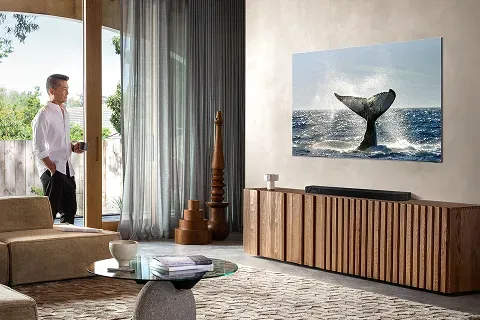
Compare TVs in Person Before You Buy
Specifications only tell part of the story. Viewing OLED and QLED televisions side by side often makes the differences much easier to understand.
Factors like room lighting, content type, and personal preference can influence which display looks best to you. Visiting a showroom allows you to compare brightness, contrast, motion handling, and overall picture quality in real-world conditions before making a decision.
What's Next? Emerging TV Technologies to Watch
OLED and QLED remain the two dominant premium TV technologies today, but newer display innovations are continuing to blur the lines between them.
As television technology evolves, manufacturers are working to combine the strengths of OLED's contrast with QLED's brightness. One of the most notable developments is QD-OLED (Quantum Dot OLED).
What Is QD-OLED?
QD-OLED combines OLED's self-lit pixels with quantum dot technology to improve color volume and brightness. The goal is to deliver the deep blacks and cinematic contrast that OLED is known for while enhancing brightness and color performance in brighter rooms.
Many industry experts view QD-OLED as a next-generation display technology because it addresses some of the traditional limitations associated with OLED brightness.
Mini-LED and Advanced QLED
Another rapidly growing category is Mini-LED, which is commonly found in premium QLED televisions. Mini-LED technology uses thousands of much smaller LEDs behind the screen to improve local dimming precision and contrast.
While Mini-LED TVs do not achieve the same pixel-level control as OLED, they can deliver impressive brightness levels and strong overall performance, particularly in larger living rooms and bright Carolina homes.
Should You Wait for New Technology?
For most shoppers, the answer is no.
Today's OLED and QLED televisions already provide exceptional picture quality, advanced gaming features, and smart home integration that will remain competitive for years to come. Rather than waiting for the next innovation, focus on choosing the display technology that best fits your room, viewing habits, and budget.
The good news is that many of the improvements introduced through technologies like QD-OLED and Mini-LED are already making their way into televisions available today.
Talk to a Queen City Home Entertainment Expert
Choosing between OLED and QLED is easier when you can compare them side by side.
At Queen City Homestore, our home entertainment specialists help customers throughout North and South Carolina evaluate picture quality, compare technologies, and find the right television for their space and budget.
Whether you're building a dedicated home theater, upgrading a family room TV, or replacing an aging display, our team can help you understand the differences and make a confident decision.
Visit your local Queen City Homestore showroom in Charlotte, Pineville, Columbia, Greensboro, Durham, Winston-Salem, or surrounding Carolina communities to compare today's leading OLED and QLED televisions in person. Experience personalized service, compare competitive prices, and explore financing options all in one place at Queen City Homestore.
Related Readings
FAQs: What Does OLED and QLED Mean?
Is OLED better than QLED?
OLED is generally considered better for black levels, contrast, and cinematic viewing, while QLED often performs better in bright rooms due to its higher brightness capabilities. Neither technology is universally better because the ideal choice depends on your viewing environment and preferences. Movie enthusiasts often favor OLED, while many family-room setups benefit from QLED. The best TV is the one that matches how and where you watch.
What does OLED stand for?
OLED stands for Organic Light-Emitting Diode. Unlike traditional LED televisions, OLED panels use self-illuminating pixels that generate their own light. This allows individual pixels to turn completely off when displaying black areas of an image. The result is exceptional contrast and picture depth.
What does QLED stand for?
QLED stands for Quantum Dot Light-Emitting Diode. QLED TVs use LED backlighting combined with a quantum dot layer that enhances brightness and color performance. This technology allows for vivid images that remain highly visible in bright rooms. Many popular premium television models use QLED displays.
Is OLED worth the extra money?
For many buyers, yes, especially if picture quality is the top priority. OLED televisions deliver exceptional contrast, black levels, and overall image realism that many viewers find worth the additional investment. However, QLED models often provide outstanding performance at a lower price point. Your viewing habits and room conditions should help determine whether the premium is justified.
Which TV is better for bright rooms?
QLED is typically the better option for bright rooms because it can achieve higher brightness levels than most OLED televisions. This helps reduce the impact of glare and maintains picture visibility during daytime viewing. Homes with large windows or open-concept layouts often benefit from QLED technology. Room lighting is one of the most important factors when comparing these two display types.
Do OLED TVs last as long as QLED TVs?
Modern OLED televisions are designed for long-term use and offer lifespans that meet the needs of most households. Manufacturers have made significant improvements to reduce concerns such as image retention and burn-in. QLED TVs also provide excellent durability and longevity. For most buyers, lifespan should not be a primary deciding factor between the two technologies.
Related Articles