
When to Replace Your Mattress: A Carolina Homeowner’s Guide
Wed Jun 17 2026
- Mattresses
Most mattresses should be replaced every 7 to 10 years, but Carolina homeowners may need to replace theirs sooner depending on humidity, usage, and visible wear.
Over time, mattresses lose support, accumulate allergens, and develop structural breakdown that can impact sleep quality and overall health. If you're waking up with stiffness, noticing sagging, or simply not sleeping as well as you used to, your mattress may be past its prime.
The challenge is that mattress wear happens gradually. Many people don’t realize how much their sleep quality has declined until they switch to a new mattress.
This guide breaks down exactly when to replace your mattress, the warning signs to look for, and how Carolina homeowners can make a confident upgrade decision.

Key Takeaways: When to Replace Your Mattress
-
Most mattresses last about 7-10 years, depending on material and usage.
-
Sagging, body impressions, and poor support are key replacement indicators.
-
Waking up with stiffness or pain can signal mattress breakdown.
-
Carolina humidity can accelerate mattress wear and moisture buildup over time.
-
Mattress replacement improves sleep quality, spinal alignment, and overall health.
-
A proactive replacement approach prevents long-term comfort and health issues.
What Is the Average Mattress Lifespan?
Most mattresses last between 7 and 10 years, but lifespan varies based on material quality, usage, and care.
Different mattress types age differently because their support systems and comfort materials respond to wear in unique ways. Understanding how each mattress is built can help you set realistic expectations and identify when replacement may become necessary.
Innerspring Mattresses: Typically Last 6-8 Years
Traditional innerspring mattresses rely on a network of steel coils for support, often topped with fiber, foam, or quilted comfort layers. While the steel coil system itself can remain functional for many years, the comfort materials above it typically compress and wear out first.
Over time, sleepers may notice sagging, body impressions, or a loss of cushioning, particularly in areas that receive the most pressure. Innerspring mattresses often have the shortest average lifespan among modern mattress types because their comfort layers generally break down faster than the support system beneath them.
Average lifespan: 6–8 years
Memory Foam Mattresses: Typically Last 8-10 Years
Memory foam mattresses are primarily made from polyurethane-based foams designed to contour to the body and relieve pressure points. Higher-density foams tend to resist compression better and maintain their supportive qualities longer than lower-density alternatives.
As memory foam ages, it may gradually lose responsiveness and resilience, making it slower to rebound and less effective at supporting the body evenly. However, quality memory foam mattresses often outlast traditional innerspring models because they do not rely on a coil system that can develop pressure-related wear.
Average lifespan: 8-10 years
Hybrid Mattresses: Typically Last 7–10 Years
Hybrid mattresses combine an innerspring support system with multiple layers of memory foam, latex, or specialty comfort materials. This design allows hybrids to deliver both contouring comfort and responsive support.
Their lifespan often depends on the quality of the comfort layers. While the coil system typically remains durable, the foam layers may gradually soften or compress over time. Premium hybrids that use high-density foams and reinforced coil systems frequently perform well for many years and remain one of the most popular choices among today's mattress shoppers.
Average lifespan: 7-10 years
Pillow Top Mattresses: Typically Last 7-10 Years
Pillow top mattresses feature an additional layer of cushioning sewn onto the top of the mattress to create a softer, more luxurious feel. The pillow top itself can be made from a variety of materials, including polyurethane foam, memory foam, fiberfill, latex, or specialty comfort foams, depending on the manufacturer and model.
Because the pillow top layer absorbs much of the sleeper's body weight and pressure, it often shows signs of wear before the mattress support system underneath. Over time, sleepers may notice body impressions, reduced cushioning, or uneven comfort in frequently used areas. Higher-quality pillow top mattresses that use denser foams and stronger support systems generally maintain their comfort longer than entry-level models.
Many Carolina homeowners choose pillow top mattresses because they offer a balance of pressure relief and support, particularly for side sleepers and those who prefer a softer sleep surface. However, like any mattress style, longevity depends heavily on construction quality, maintenance, and overall usage.
Average lifespan: 7-10 years
Mattress Quality Matters as Much as Mattress Type
While the mattress category provides a useful guideline, construction quality often has an even greater impact on longevity. A premium hybrid mattress may outlast a budget memory foam mattress, while a well-built innerspring model may perform longer than expected with proper care.
Factors that influence lifespan include:
-
Material density and quality
-
Coil construction and support design
-
Body weight and sleeping position
-
Mattress protector usage
-
Foundation quality
-
Indoor humidity levels
-
Frequency of rotation and maintenance
For Carolina homeowners, humidity management can be particularly important. Excess moisture exposure over many years can accelerate material breakdown, making proper climate control and mattress protection worthwhile investments.
These ranges are averages, not guarantees. Heavy use, poor support foundations, and environmental factors like humidity can shorten lifespan significantly.
According to the Better Sleep Council, replacing your mattress within this timeframe is important for maintaining sleep quality and support.
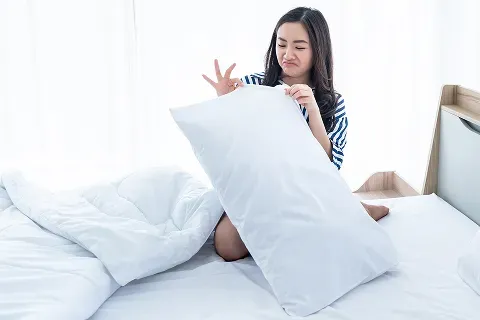
Clear Signs It’s Time to Replace Your Mattress
If you consistently wake up uncomfortable or notice visible mattress wear, it’s likely time to replace it.
1. Sagging or Body Impressions
Visible sagging or permanent body indentations are one of the clearest signs your mattress is no longer providing proper support.
Over time, materials compress in the areas where you sleep most often. This leads to uneven support and poor spinal alignment.
If you can see or feel dips in the mattress surface, replacement is usually needed.
2. Waking Up With Pain or Stiffness
Morning back, neck, or shoulder pain is often linked to mattress breakdown.
A supportive mattress should help maintain neutral spinal alignment. When that support weakens, pressure points increase and muscles overcompensate during sleep.
If discomfort improves when sleeping elsewhere, your mattress is likely the cause.
3. Poor Sleep Quality or Frequent Tossing
If you’re waking up frequently or struggling to get comfortable, your mattress may no longer be supporting restful sleep.
As mattresses age, they lose responsiveness and comfort layers break down, making it harder to stay asleep through the night.
4. Increased Allergies or Odors
Older mattresses can accumulate allergens such as dust mites, moisture, and bacteria over time.
This can contribute to allergy symptoms or lingering odors that don’t improve with cleaning.
5. Noisy or Worn Internal Structure
Squeaking, creaking, or uneven movement often indicates internal spring or support failure.
This is especially common in older innerspring mattresses where coils weaken over time.
How Carolina Climate Impacts Mattress Lifespan
Heat and humidity in North and South Carolina can shorten mattress lifespan if moisture builds up over time.
Carolina homes experience long humid seasons, which can affect bedding materials more than many homeowners realize. Moisture trapped in mattresses can lead to faster breakdown of foam layers and reduced support integrity.
Homes without strong climate control or moisture management may notice earlier wear, especially in summer months.
To extend mattress life:
-
Use a breathable mattress protector
-
Maintain indoor humidity control
-
Rotate or flip mattress when applicable
The EPA notes that indoor humidity control plays a role in maintaining healthy indoor environments, which impacts the well-being and performance of your mattress.

Mattress Replacement Checklist
Use this quick diagnostic checklist:
-
Mattress is 7+ years old
-
Visible sagging or body indentations
-
Waking up with stiffness or discomfort
-
Increased allergy symptoms
-
Noticeable motion transfer issues
-
Mattress feels uneven or unstable
-
Sleep quality has declined over time
If you checked multiple boxes, it’s likely time to start shopping.
How to Choose a Replacement Mattress
The best replacement mattress depends on your sleep position, body support needs, and comfort preference.
Consider Your Sleep Style
-
Side sleepers often prefer pressure-relieving foam or hybrid models
-
Back sleepers benefit from balanced support and alignment
-
Stomach sleepers typically need firmer surfaces
Consider Support Type
-
Foam: contouring comfort
-
Innerspring: traditional support and bounce
-
Hybrid: balanced mix of both
Consider Motion and Cooling Needs
If you sleep hot, cooling technology and motion isolation become important factors.
The Sleep Foundation provides additional detailed guidance on mattress types and sleep positioning.
Mattress Care Tips to Extend Lifespan
Proper care can help maximize mattress lifespan and delay replacement.
-
Rotate your mattress regularly (if manufacturer allows)
-
Use a quality mattress protector
-
Keep humidity levels controlled indoors
-
Vacuum mattress surface periodically
-
Ensure proper bed foundation support
Even with proper care, replacement will still eventually be necessary.
When NOT to Wait to Replace Your Mattress
If your mattress is affecting sleep quality or causing pain, replacement should be a priority.
Delaying replacement can lead to:
-
Ongoing sleep disruption
-
Increased physical discomfort
-
Reduced daily energy levels
-
Worsening mattress breakdown
A mattress is a long-term health and comfort investment, not just a home accessory.
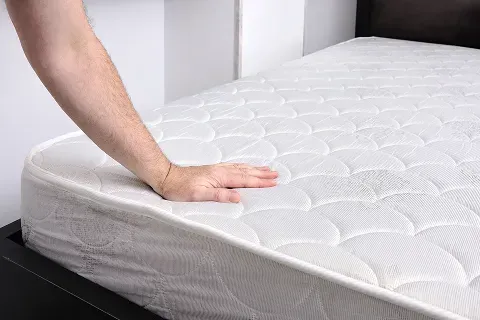
Talk to a Queen City Mattress Expert
If you're unsure whether it's time to replace your mattress, visiting a showroom can make the decision much easier. Seeing and feeling different support levels in person helps you quickly identify what your current mattress may be missing.
At Queen City Homestore, our sleep specialists help Carolina homeowners compare mattress types, evaluate comfort preferences, and choose the right support system for long-term comfort and durability.
Whether you're replacing an aging mattress or upgrading for better sleep quality, our team can guide you through trusted options tailored to your needs.
Visit your nearest Queen City Homestore appliance showroom location to experience personalized service, shop top brands, compare competitive prices, and explore financing options all in one place.
Related readings from our blog:
FAQs: When to Replace Your Mattress
How often should you replace your mattress?
Most mattresses should be replaced every 7 to 10 years, depending on material type, usage, and care. Higher-quality hybrid or latex mattresses may last longer, while lower-density foam or heavily used mattresses may wear out sooner. If you notice sagging, discomfort, or reduced sleep quality before that timeframe, it’s a strong indicator that replacement is needed. Carolina humidity and heat can also contribute to faster material breakdown over time.
What are the most common signs you need a new mattress?
The most common signs include visible sagging, body impressions that don’t bounce back, and waking up with stiffness or pain. You may also notice restless sleep, overheating, or increased allergy symptoms due to dust and allergens trapped in older materials. If your mattress feels uneven or no longer supportive, it’s likely past its effective lifespan. These signs usually indicate that the internal structure has broken down.
Can a bad mattress really cause back or neck pain?
Yes, an unsupportive mattress can contribute to back, neck, and shoulder pain over time. When a mattress no longer maintains proper spinal alignment, your muscles and joints compensate during sleep, leading to discomfort. If you consistently feel better after sleeping elsewhere, your mattress may be the issue. While pain can have multiple causes, mattress support is a major factor in sleep-related discomfort.
Does Carolina humidity affect mattress lifespan?
Yes, high humidity in North and South Carolina can impact mattress longevity. Moisture buildup inside mattress layers can accelerate foam breakdown and create conditions where allergens thrive. This is especially common in homes with limited airflow or inconsistent humidity control. Using a breathable mattress protector and maintaining indoor climate control can help extend mattress life
How can I extend the life of my mattress?
You can extend mattress life by rotating it regularly (if recommended by the manufacturer), using a protective mattress cover, and keeping your bedroom well-ventilated. Maintaining consistent indoor humidity levels also helps prevent moisture-related wear. It’s also important to use a proper foundation or support system to avoid uneven stress on the mattress. Even with good care, most mattresses will still need replacement within 7-10 years.
Is it worth upgrading to a higher-quality mattress?
In many cases, yes, especially if you prioritize sleep quality, comfort, and long-term durability. Higher-quality mattresses often use better materials that provide improved support and longer lifespan. Many homeowners notice better sleep and reduced discomfort after upgrading. While the upfront cost is higher, the long-term value often comes from improved comfort and fewer replacements over time.
Related Articles