
Summer Appliance Do's & Don'ts: Common Mistakes & Maintenance
Wed May 20 2026
- Lifestyle
- Homeowner Basics
Summer places unique demands on home appliances, particularly across North and South Carolina where high heat and humidity can stress cooling systems, refrigeration, and outdoor cooking equipment. From overworked refrigerators in Charlotte kitchens to dehumidifiers running nonstop in Columbia basements, seasonal conditions can affect both appliance performance and long-term reliability.
The good news is that many common summer appliance problems are preventable. Small maintenance steps and smarter usage habits can help appliances run more efficiently, lower energy consumption, and reduce the risk of mid-season breakdowns. This guide covers the most common summer appliance mistakes homeowners make, and what to do instead to keep your home running smoothly all season long.
Key Takeaways: Summer Appliance Maintenance Tips
-
Summer heat puts extra strain on appliances, especially refrigerators, air conditioners, and ice makers.
-
Simple maintenance routines can improve efficiency and extend appliance lifespan.
-
Humidity across North and South Carolina affects appliance performance more than many homeowners realize.
-
Improper airflow, dirty filters, and overworking appliances are some of the biggest summer mistakes.
-
Seasonal appliance prep helps reduce energy costs during peak summer utility months.
Why Summer Is Harder on Household Appliances
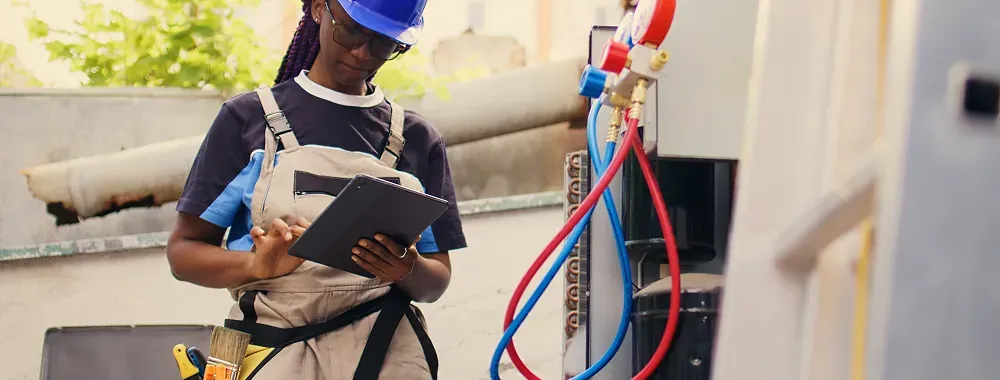
Summer heat and humidity force many appliances to work harder than they do during the rest of the year.
Cooling appliances operate longer cycles, kitchens become warmer, and excess moisture in the air can impact airflow, filters, and overall efficiency. In many Carolina homes, especially those with open-concept layouts or garages exposed to direct sunlight, appliances can struggle to maintain optimal performance during peak summer temperatures.
This is especially true for:
Understanding how seasonal conditions affect these appliances is the first step toward preventing unnecessary wear and higher utility bills.
Refrigerator Do’s & Don’ts During Summer
Do: Check Airflow Around the Refrigerator
Proper airflow helps refrigerators cool more efficiently and prevents unnecessary strain during hot summer months.
Refrigerators release heat as they operate, and restricted airflow makes them work significantly harder during summer.
Leave a few inches of clearance around the sides and back of the appliance, especially if it’s installed in tighter kitchen layouts common in Charlotte condos or smaller Pineville homes. Proper ventilation helps maintain cooling efficiency and reduces compressor strain.
Don’t: Overload the Refrigerator With Warm Food
Adding hot food directly into the refrigerator can raise internal temperatures and force the appliance to work harder.
Adding large quantities of warm leftovers or drinks forces the refrigerator to rapidly compensate, increasing energy use and internal temperature fluctuations.
Instead, allow hot foods to cool slightly before storing them. This helps maintain stable temperatures and protects nearby food from warming up.
Do: Clean Refrigerator Coils
Cleaning refrigerator coils improves cooling efficiency and helps reduce energy consumption during summer.
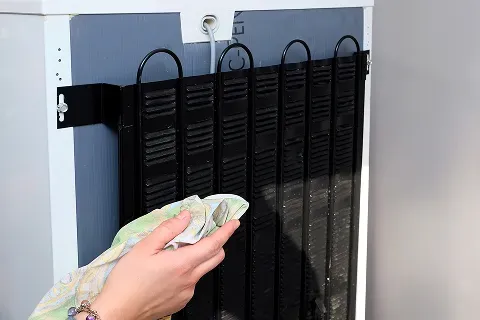
Dirty condenser coils are one of the most overlooked causes of poor refrigerator performance in summer.
Dust, pet hair, and humidity-related buildup can reduce efficiency and force the refrigerator to run longer cycles. Cleaning coils every few months can improve airflow and help the appliance cool more effectively.
Don’t: Ignore Door Seal Issues
Worn refrigerator door seals allow cool air to escape and can significantly reduce appliance efficiency.
Humidity in North and South Carolina can gradually wear down refrigerator gaskets, allowing cool air to escape.
If doors aren’t sealing tightly, the refrigerator has to work harder to maintain temperature. This not only increases energy consumption but can also shorten compressor lifespan over time.
Air Conditioner & Portable Cooling Mistakes to Avoid
Do: Replace or Clean Filters Regularly
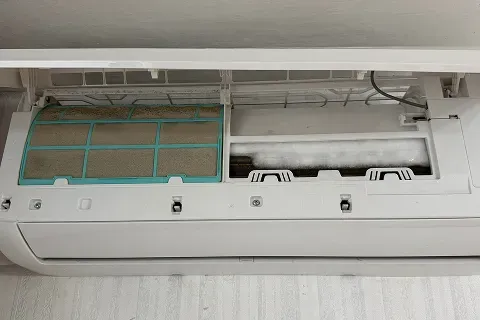
Clean air filters improve airflow, cooling performance, and overall energy efficiency. Dirty filters are one of the biggest reasons air conditioners struggle during summer.
Clogged filters reduce airflow, lower efficiency, and force systems to operate longer than necessary. In high-pollen areas throughout the Carolinas, filters may need more frequent replacement during summer months.
Portable AC units and window units should also have filters checked regularly to maintain performance.
Don’t: Place Portable Air Conditioners Near Heat Sources
Portable air conditioners perform best when placed away from direct sunlight and indoor heat sources.
Portable air conditioners work best when positioned away from direct sunlight, ovens, or electronics that generate heat.
In many Carolina homes with large windows or open kitchens, placing a portable AC unit too close to heat sources can significantly reduce effectiveness.
Do: Use Ceiling Fans With Your AC
Ceiling fans help circulate cool air more effectively and reduce strain on air conditioning systems.
Ceiling fans help circulate cool air more efficiently, allowing homeowners to raise thermostat settings slightly without sacrificing comfort.
This can help reduce strain on central air systems during peak summer temperatures while lowering monthly energy costs.
Dehumidifier Maintenance for Carolina Summers
Do: Empty and Clean the Water Reservoir Frequently
Regularly cleaning a dehumidifier reservoir helps prevent odors, mildew, and reduced performance.
High humidity levels across North and South Carolina mean dehumidifiers often collect water quickly during summer.
If reservoirs aren’t emptied regularly, moisture buildup can lead to odors, mold growth, or reduced efficiency. Cleaning the collection bucket also helps prevent mildew. Excess humidity can contribute to musty odors, mold growth, and reduced indoor comfort during Carolina summers. The EPA’s Indoor Air Quality resources also highlight how ventilation, filtration, and moisture control play an important role in maintaining healthier indoor air.
Don’t: Run a Dehumidifier in an Oversized Space
Using the correct dehumidifier size improves moisture removal and energy efficiency.
A small dehumidifier may struggle if it’s placed in a large open room or basement.
Matching the unit capacity to the square footage of the space is important for maintaining effective moisture control. This is especially relevant in humid areas like Columbia and coastal-adjacent regions of the Carolinas.
Do: Keep Air Intake Areas Clear
Proper airflow is essential for effective dehumidifier performance.
Blocked airflow reduces a dehumidifier’s ability to pull moisture from the air effectively.
Avoid placing units directly against walls or furniture, and periodically vacuum intake vents to remove dust and debris.
Ice Maker Maintenance Tips for Summer
Do: Change Water Filters on Schedule
Replacing water filters helps maintain ice quality and supports consistent ice production.
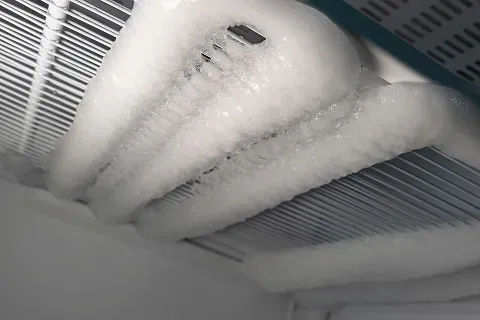
Ice makers typically work harder during summer due to increased demand.
Replacing filters regularly helps improve ice quality, maintain water flow, and reduce strain on the appliance. Hard water conditions in some Carolina regions can make filter maintenance even more important.
Don’t: Ignore Small Ice Production Changes
Reduced ice production is often an early sign of airflow, filter, or temperature problems.
Many homeowners overlook gradual changes until the appliance stops working entirely. Addressing issues early can prevent larger repairs later in the season.
Grill Maintenance Mistakes That Shorten Lifespan
Do: Clean Burners and Grates Regularly
Routine grill cleaning improves cooking performance and helps prevent long-term corrosion.
Outdoor grills accumulate grease, residue, and moisture throughout summer use.
Regular cleaning improves cooking performance, supports even heating, and reduces flare-ups. In humid Carolina climates, leftover debris can also accelerate corrosion over time.
Don’t: Leave Your Grill Uncovered
Using a grill cover helps protect outdoor cooking equipment from Carolina humidity and weather exposure.
Humidity, rain, and pollen exposure can damage grill surfaces surprisingly quickly.
Using a protective cover helps extend the life of burners, grates, and exterior finishes, particularly during long stretches of hot, humid weather.
Do: Check Fuel Connections Before Heavy Summer Use
Inspecting fuel connections helps ensure safe and reliable grill performance during peak grilling season.
Gas grills should be inspected periodically for leaks or worn hoses before major cookouts or holiday gatherings.
This is especially important during peak grilling season when grills are used more frequently and for longer cooking sessions.
Summer Appliance Maintenance Checklist
| Appliance | Summer Maintenance Task |
| Refrigerator | Clean coils and inspect door seals |
| Air Conditioner | Replace filters and clear vents |
| Portable Fan | Dust blades and check airflow |
| Dehumidifier | Empty reservoir and clean intake |
| Ice Maker | Replace water filter and inspect production |
| Grill | Clean grates and inspect burners |
Energy-Saving Tips for Summer Appliance Use
Small adjustments can significantly reduce summer energy consumption.
Running appliances during cooler evening hours, improving kitchen ventilation, and keeping filters clean all help appliances operate more efficiently. In many North and South Carolina homes, managing humidity is equally important because excess moisture can increase cooling demands throughout the house.
Energy-efficient appliance habits become especially valuable during peak utility months when air conditioning systems are already carrying a heavy load. Learn more energy-saving tips in our Energy-Efficient Appliance Tips for Carolina Homeowners blog.
Keep Your Appliances Ready for Summer
Summer is one of the busiest seasons for home appliances, and the right maintenance, or upgrade, can make a major difference in comfort, efficiency, and long-term reliability. Whether you’re replacing an aging refrigerator, upgrading to a more efficient dehumidifier, shopping for a new grill, or preparing your laundry appliances for peak summer use, Queen City Homestore offers expert guidance and trusted appliance brands for homes across North and South Carolina.
As a locally recognized retailer featured in regional “Best Of” and community-voted award programs across the Carolinas, Queen City Homestore has helped homeowners make informed appliance decisions since 1952. Visit one of our showrooms in Charlotte, Pineville, Columbia, and surrounding Carolina communities to explore appliances designed for real-world performance in hot and humid conditions. Our local team provides white glove delivery, professional installation, and personalized support to help ensure your appliances are ready for the demands of summer.
You can also learn more about Queen City Homestore’s history, community recognition, and customer commitment on our About Us page
Visit your nearest Queen City Homestore appliance showroom location to explore appliances designed for real-world performance in hot and humid conditions. Our team can help you compare features, find energy-efficient options, and choose appliances that fit your home, lifestyle, and summer needs.
Related readings from our blog:
FAQs: Summer Appliance Do's & Don'ts: Common Mistakes & Maintenance
Why does my refrigerator seem to run more often in the summer?
Refrigerators typically run longer during summer because surrounding temperatures are higher and doors are opened more frequently. In North and South Carolina homes, humidity can also make compressors work harder to maintain internal temperatures. Poor airflow, dirty coils, or worn door seals can increase the strain even further. Regular maintenance helps improve efficiency and reduce excessive cycling.
How often should I clean my air conditioner filter during summer?
Most air conditioner filters should be checked monthly during heavy summer use. Homes with pets, high pollen levels, or frequent AC usage may require more frequent cleaning or replacement. Dirty filters restrict airflow and reduce cooling performance, forcing systems to work harder. Keeping filters clean improves efficiency and indoor comfort.
Do dehumidifiers really help during Carolina summers?
Yes, dehumidifiers can significantly improve comfort during humid Carolina summers by reducing excess moisture in the air. Lower humidity levels can help rooms feel cooler and reduce strain on air conditioning systems. They also help prevent mildew, musty odors, and moisture-related damage in basements or enclosed spaces. Proper sizing and maintenance are important for best performance.
Why is my ice maker producing less ice in hot weather?
Ice makers often struggle during summer because they’re working harder in warmer kitchen conditions and under heavier demand. Dirty filters, reduced airflow, or fluctuating freezer temperatures can all affect production. In some Carolina homes, hard water buildup may also contribute to reduced efficiency. Replacing filters and maintaining consistent freezer temperatures can help restore performance.
How can I make my grill last longer in humid weather?
Regular cleaning and proper protection are the best ways to extend grill lifespan in humid climates. Moisture exposure can accelerate rust and wear, especially on burners and grates. Keeping the grill covered and cleaning grease buildup after use helps protect performance over time. In the Carolinas, humidity makes preventative maintenance especially important.
Related Articles