
What Are Induction Ranges? How Induction Cooking Works & Key Benefits
Tue Feb 10 2026
- Kitchen
If you’ve been researching modern kitchen upgrades, you’ve likely come across induction ranges, and plenty of questions about how they work. What is an induction range, exactly? And how is induction cooking different from traditional electric cooking?
An induction range looks similar to a smooth-top electric range, but beneath the surface, it operates on entirely different technology. Instead of generating heat that transfers to cookware, induction cooking creates heat inside the pan itself, resulting in faster response times, greater precision, and a cooler cooking surface.
In this guide, we’ll break down induction cooking explained in clear terms, explore how induction ranges work, compare induction vs electric cooking, and help you decide if an induction range is right for your kitchen. Browse Queen City’s full lineup of cooking ranges to see how induction fits into today’s appliance landscape.
What Is an Induction Range?
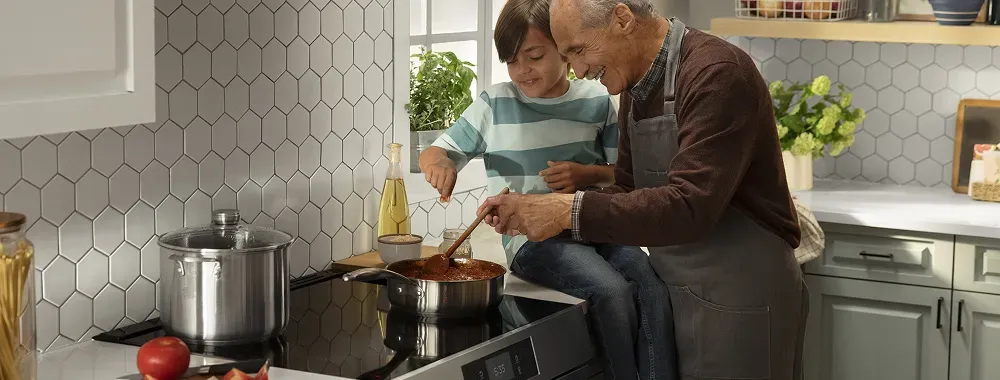
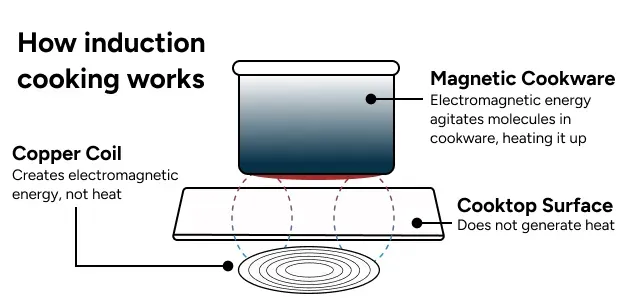
An induction range is a cooking appliance that uses electromagnetic energy to heat compatible cookware directly. When a pan is placed on the cooktop, an electromagnetic field activates the metal in the cookware, causing it to heat instantly, without heating the glass surface beneath it.
This process makes induction ranges fundamentally different from traditional electric ranges, which rely on radiant heat that warms the cooktop first and then transfers heat to the pan.
In simple terms:
-
Electric cooking heats the surface, then the pan
-
Induction cooking heats the pan directly
This distinction is the foundation of induction’s speed, control, and efficiency.
How Does Induction Cooking Work?
Understanding how induction works helps explain why it performs so differently from other cooking methods.
The Science Behind Induction Cooking
-
An induction coil sits beneath the glass cooktop
-
When activated, the coil produces an electromagnetic field
-
That field interacts with magnetic cookware (such as cast iron or magnetic stainless steel)
-
The cookware heats internally through electrical resistance
-
Heat is transferred directly to the food
Because the cooktop itself doesn’t generate heat, it remains relatively cool, except for residual warmth from the pan.
This direct energy transfer is why induction ranges respond almost instantly when you adjust temperature settings. KitchenAid highlights some induction cooktop benefits include responsive temperature control, quick cooking times and easy cleanup since the surface doesn’t get as hot.
Induction vs Electric: What’s the Difference?
Many shoppers compare induction vs electric ranges when narrowing down their options. While both use electricity, their cooking experience differs significantly.
How Heat Is Produced
-
Induction ranges use electromagnetic energy to heat the cookware directly. This means the cooktop itself stays relatively cool, while the pot or pan gets hot almost instantly.
-
Electric ranges rely on heated coils or radiant elements to transfer heat to the cookware. The surface itself becomes hot, and the heat gradually moves into the pan.
Cooking Speed and Control
-
Induction offers rapid heating and precise temperature control, making it easier to simmer, melt, or boil with accuracy.
-
Electric heats more gradually, which can make temperature adjustments feel slower. However, electric cooktops can provide consistent heat for longer cooking processes like baking or slow-cooking.
Safety and Cleanliness
-
Induction cooktops remain cooler around the cooking area, reducing the risk of burns and making spills easier to clean.
-
Electric surfaces get very hot, which can pose a burn risk, but they are often easier to use with a wide range of cookware, including some that may not be induction-compatible.
Energy Efficiency
-
Induction tends to be more energy-efficient because it transfers heat directly to the cookware, wasting less energy.
-
Electric cooktops lose some energy to the surrounding air and the heating element itself, but they are still a reliable option for steady, long-duration cooking.
Cookware Compatibility
-
Induction requires magnetic cookware such as stainless steel or cast iron.
-
Electric is compatible with virtually all cookware, making it more flexible if you already own a variety of pots and pans.
By comparing heat source, control, safety, energy use, and cookware needs, it’s easier to see how each type of range performs under different cooking scenarios. This balanced perspective helps homeowners make an informed choice that suits their cooking style, kitchen layout, and budget.
Benefits of Induction Ranges for Modern Kitchens
Induction ranges offer several advantages, but it’s helpful to see the full picture to understand how they fit into today’s kitchens.
Fast and Precise Cooking
Induction cooktops heat cookware directly, allowing water to boil quickly and sauces to simmer with precision. While this speed is unmatched compared to most electric ranges, it may take a short adjustment period for cooks used to slower heating styles.
Energy Efficiency
Because heat is transferred directly to the pan, less energy is wasted, making induction cooking more efficient than traditional electric cooktops. However, this efficiency works best with compatible magnetic cookware.
Safety Advantages
Induction surfaces stay relatively cool, reducing the risk of accidental burns and making cleanup easier. Still, the cooktop can get warm from residual heat, so some caution is still required.
Modern Kitchen Design
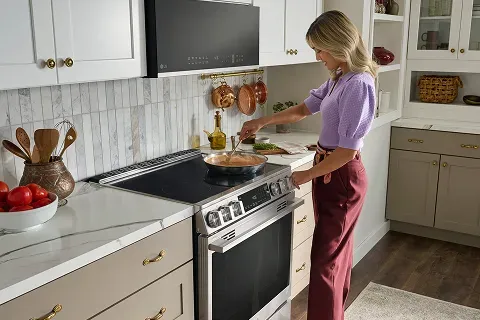
Sleek, flat surfaces make induction cooktops visually appealing and easy to integrate into contemporary kitchen layouts. Today’s kitchens often emphasize open-concept designs, minimalist cabinetry, and mixed-material countertops, while popular integrations include built-in downdraft vents, smart appliances, and under-cabinet lighting. Induction cooktops pair seamlessly with these features, enhancing both functionality and style.
Temperature Control and Versatility
Precise temperature adjustments make induction ideal for delicate cooking tasks, such as melting chocolate or simmering sauces. While electric ranges can maintain steady heat for long cooking sessions, they generally don’t respond as quickly to sudden temperature changes.
By weighing speed, efficiency, safety, design, and control, homeowners can see why induction ranges are popular in modern kitchens, without overlooking practical considerations like cookware requirements or the initial learning curve.
What Cookware Works With Induction Ranges?
Induction cooking requires magnetic cookware. Compatible materials include:
-
Cast iron
-
Magnetic stainless steel
-
Some enameled steel cookware
A quick test is to see if a magnet sticks to the bottom of the pan. If it does, it’s induction-compatible.
Many households find they already own suitable cookware or only need to replace a few pieces.
Is an Induction Range Right for You?
Induction ranges are an excellent fit for homeowners who:
-
Prefer energy-efficient appliances
-
Value kitchen safety and easy cleanup
-
Enjoy fast, responsive cooking performance
They’re especially popular in households transitioning away from gas or upgrading to more advanced electric cooking solutions.
Induction Ranges vs Traditional Cooking: A Practical Perspective
Induction cooking often appeals to people seeking clarity before investing in a new appliance. While it introduces new technology, the day-to-day experience is intuitive, consistent, and highly responsive.
Many users report that induction quickly becomes their preferred cooking method due to its balance of speed, precision, and convenience.
Choosing the Right Induction Range
When selecting an induction range, consider:
-
Cooktop size and layout
-
Control style (knobs vs touch controls)
-
Oven capacity and cooking modes
-
Smart features and connectivity
-
Installation requirements
Working with an appliance specialist ensures the model you choose aligns with your cooking habits and kitchen layout.
Understanding Induction Cooking Before You Buy
Induction ranges represent a modern approach to electric cooking, combining efficiency, precision, and safety into a single appliance. By understanding what induction ranges are and how induction cooking works, homeowners can make informed decisions with confidence.
If you’re ready to explore induction cooking firsthand, Queen City Homestore’s appliance experts can help you find the right fit for your kitchen and cooking style. When it’s time to explore your next cooking appliance upgrade, Queen City offers trusted brands, knowledgeable support, and solutions built for long-term value. Shop premium options like Wolf induction ranges and more in our catalog.
Upgrade your kitchen with appliances that combine style, convenience, and performance, including selections from top brands from the best selection of home appliances and more for homeowners across the Carolinas.
Visit your nearest Queen City showroom location and discover personalized service, competitive prices, and financing options, Queen City is your go-to place for upgrading your next washer and dryer with peace of mind. Explore the latest cooking appliances at Queen City to find options that deliver reliable cleaning and modern features today.
Related readings from our blog:
FAQs: What Are Induction Ranges?
What is an induction range?
An induction range uses electromagnetic energy to heat cookware directly, providing faster, more precise cooking than traditional electric ranges.
How does induction cooking work?
Induction cooking uses a magnetic field to generate heat inside compatible cookware rather than heating the cooktop surface.
Is induction better than electric cooking?
Induction offers faster response times, improved efficiency, and enhanced safety compared to traditional electric cooking.
Do induction ranges use special cookware?
Yes, induction ranges require magnetic cookware such as cast iron or magnetic stainless steel.
Related Articles